

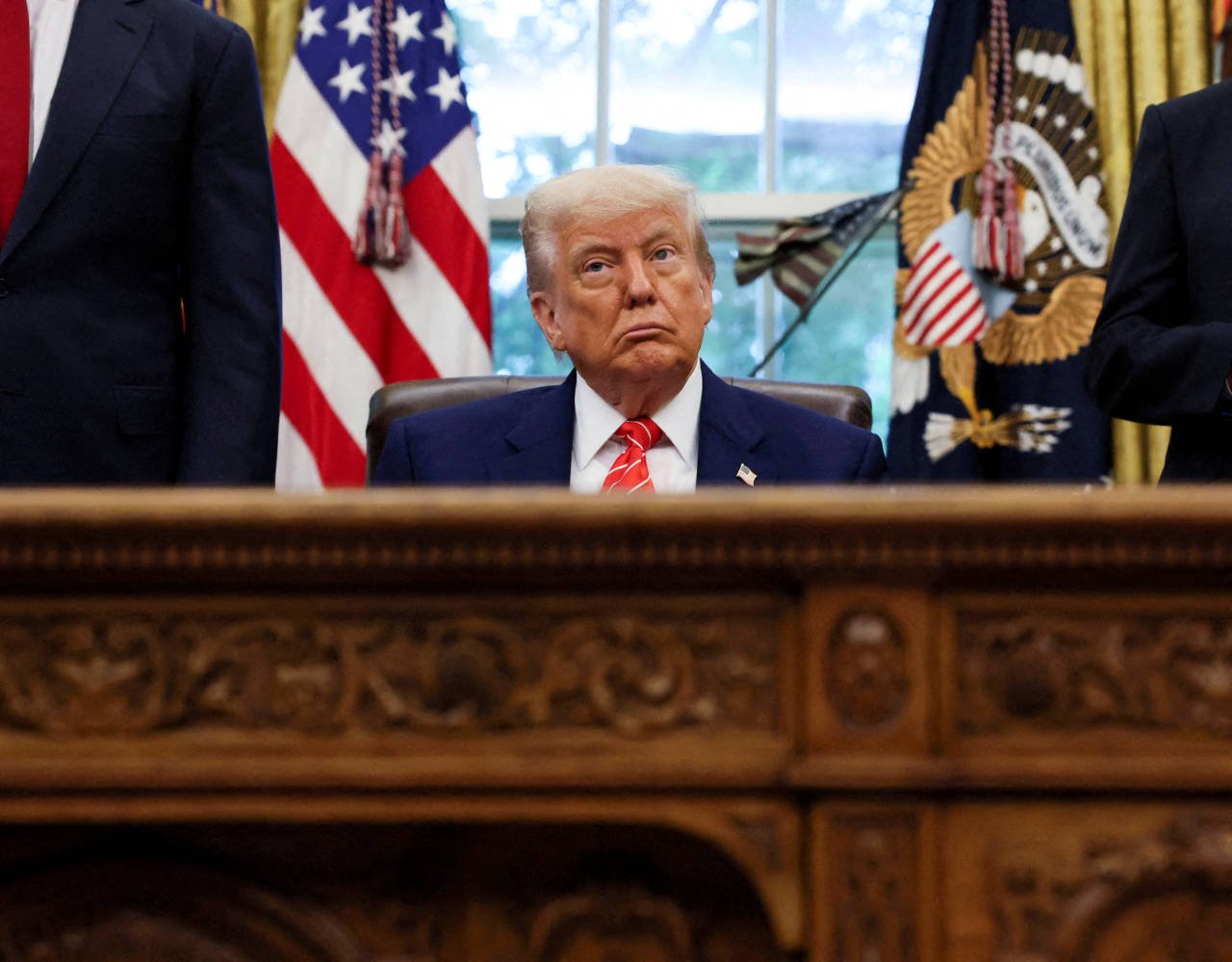
When President Trump spoke to a room of top donors at his Florida club last week, he described ending
Russia’s war in Ukraine
as a growing frustration that keeps him up at night, people in the room said.
Russian President Vladimir Putin was particularly tough to negotiate with, and wanted “the whole thing,” Trump said, referring to Ukraine, according to an attendee. His comments came in response to a donor’s question about his biggest foreign-policy concerns.
The
war in Gaza
was also notably challenging, Trump told the crowd. Finding any solution was hard because “they’d been fighting for a thousand years,” he said.
During his campaign to regain power, Trump promised to bring an end to those two wars through diplomatic means and contended that neither of these conflicts would have started if he had been in the Oval Office from the beginning. He went as far as to argue
stop the war in Ukraine “on day one,”
he said.
Instead, as he passes the 100-day mark of his second term with neither conflict closer to a resolution, negotiations to end Iran’s nuclear program stalled, and a trade war straining relationships with allies, Trump is finding solving the world’s problems more difficult than he had thought.
“Bluster and theatrics have their role in diplomatic high wire acts, but so do details and hard work,” said Dan Baer, a former ambassador in the Obama administration who is now at the Carnegie Endowment for International Peace in Washington.
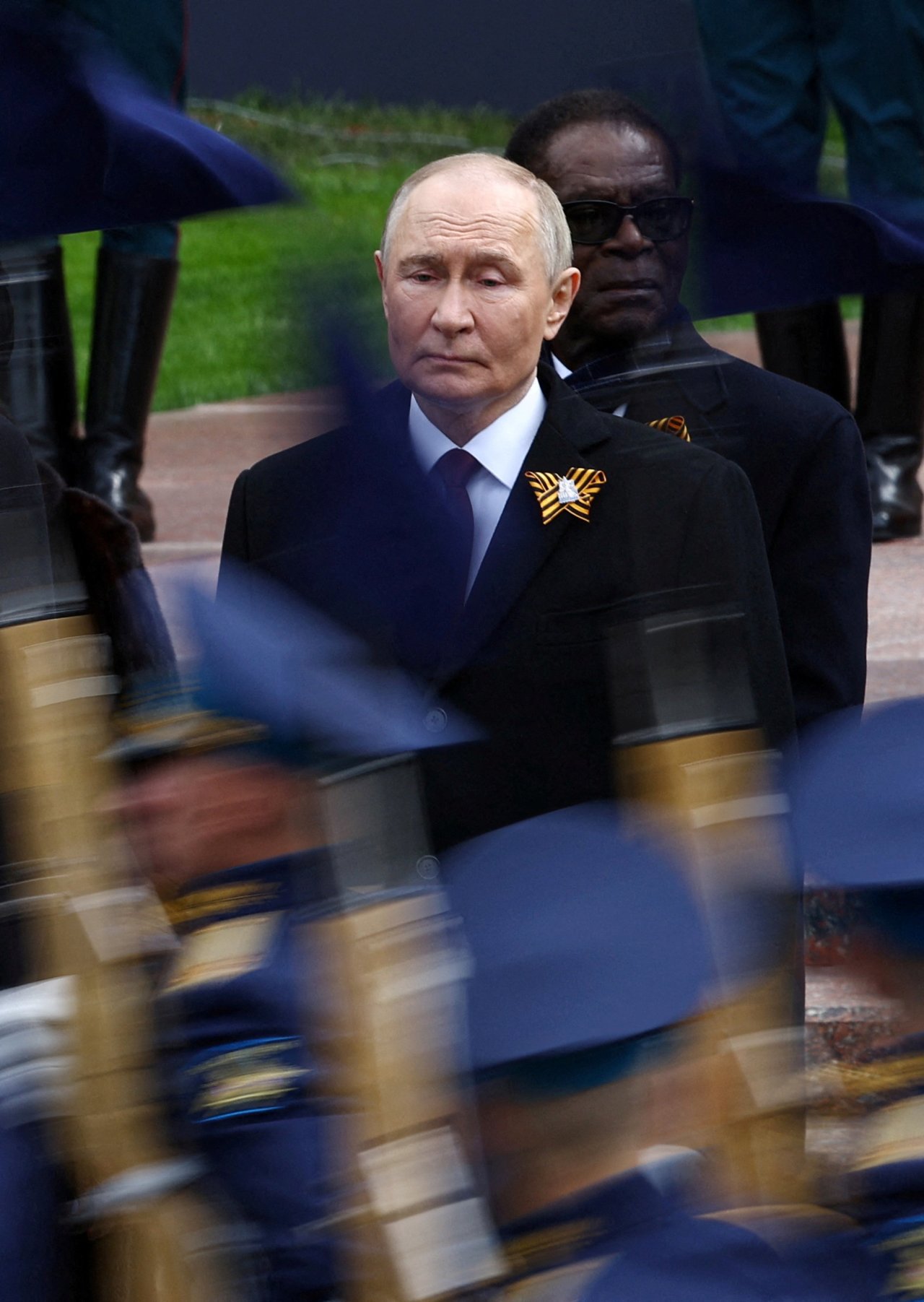
Trump has since said he was joking about ending the Russia-Ukraine war in record time, and that supporters know he was being hyperbolic.
Kyle Haynes, a professor of U.S. foreign policy at Purdue University, said: “If he hadn’t promised such things repeatedly throughout the campaign it’d be wildly unfair to criticize him for failing to achieve them. But he did.”
White House spokeswoman Anna Kelly said Trump and his team had been “laser-focused on delivering peace around the world and stopping bad actors from doing harm to Americans and our allies.”
“Their approach has been successful—Houthis agreed to a cease-fire, 47 Americans detained abroad have come home, NATO countries are increasing defense spending, China is deterred, and we are closer to peace in the Russia-Ukraine War than ever before,” she said.
On Saturday, Trump stated the
The U.S. facilitated a ceasefire agreement.
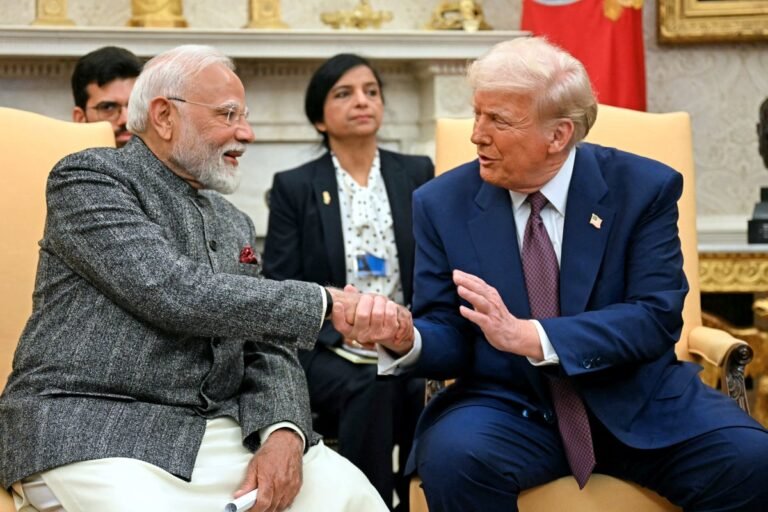
Between India and Pakistan, following escalating conflicts where each nation claimed self-defense, tensions seemed to ease. However, this détente remains fragile; should it persist, it could be seen as a diplomatic win for Trump. In contrast, the situations in Ukraine and Gaza continue to prove far more challenging to resolve.
Too many asks
Over the past few weeks, Trump has confided to his advisors that he believes Putin isn’t interested in ending the conflict, noting that neither side seems willing to make concessions. Additionally, Trump has sought input from these advisors about whether Putin might have altered since his previous term in office. He has shown astonishment over certain Russian actions under Putin’s leadership, such as attacks targeting regions where children reside, sources close to him revealed.
Early this year, Trump stated that he thought Kyiv might be more challenging to persuade than Moscow unless the conditions of the agreement aligned with what Ukraine wanted, leading to
combative Oval Office encounter
alongside Ukraine’s President Volodymyr Zelensky who was broadcasting live on television.
More recently, high-ranking officials from the Trump administration have admitted that Russia continues to be the largest obstacle.
refusing to agree
To an unconditional 30-day ceasefire that Kiev has already backed and further demands for more compromises from Ukraine.
I wouldn’t claim that the Russians lack interest” in resolving the conflict, Vice President JD Vance stated at a Munich Security Forum gathering in Washington on Wednesday. “We believe their demands are excessive.
Trump’s early plans for the conflict were also upended within weeks. Russia complained about Trump’s first Ukraine envoy, Keith Kellogg, over the retired general’s daughter’s support for Kyiv.
Trump then told Kellogg only to talk with the Ukrainians, and tapped Steve Witkoff, his longtime friend serving as the Middle East envoy, to step in. Kellogg and his team have argued that the diplomat has been effective in getting Kyiv to buy into Trump’s peace process.
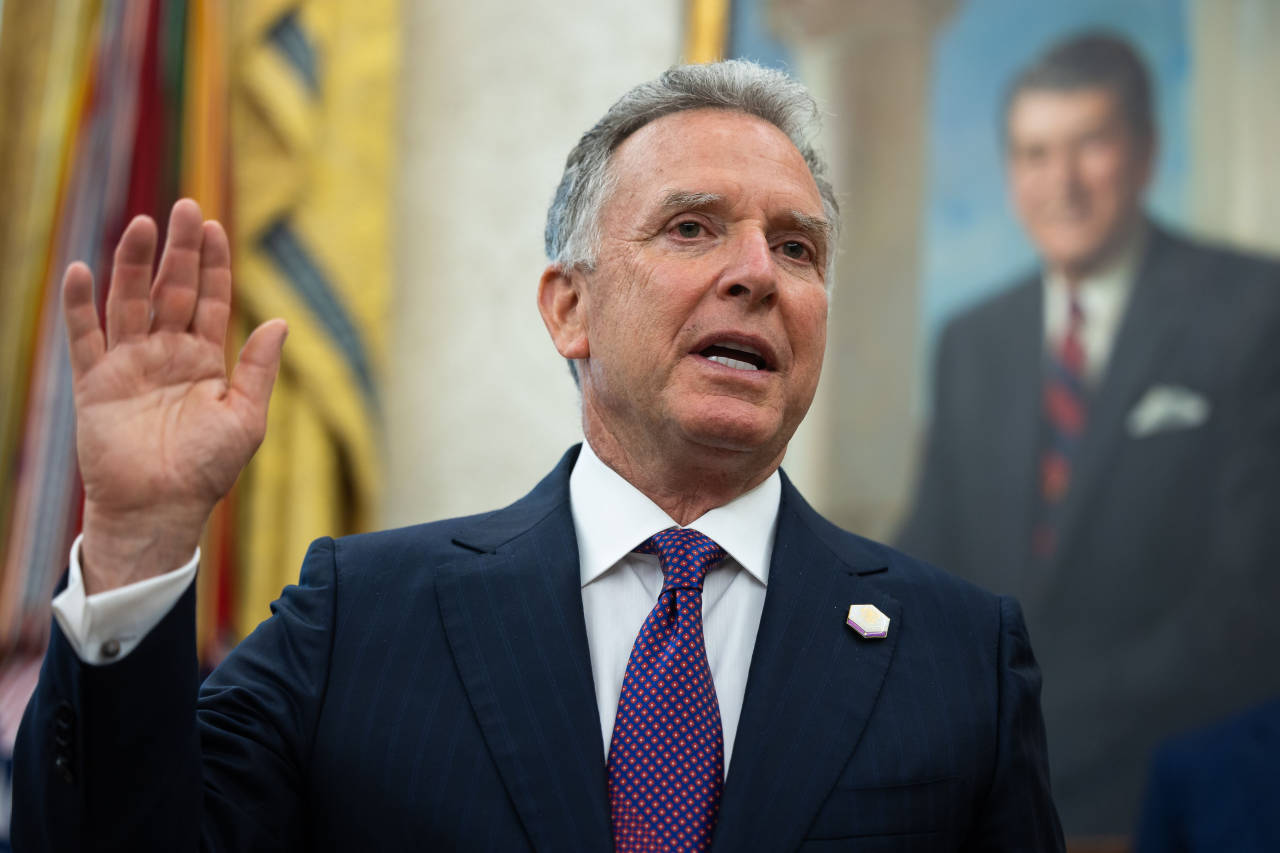
Witkoff has consistently urged both parties to agree to certain conditions they find unfavorable. Currently, Witkoff has informed others that his main objective is simply getting these two sides together at the negotiating table, a feat he has not managed to achieve so far.
Other American authorities have likewise indicated that Trump might view his task as complete once the Russians and Ukrainians participate in substantial face-to-face talks. According to these officials, what occurs subsequently would depend on those countries, enabling the U.S. to concentrate on different key areas.
‘Trying their best’
Regarding Gaza, the Trump administration is also advocating for a negotiated resolution to the conflict between Israel and Hamas.
Witkoff assisted the outgoing Biden administration in implementing its ceasefire strategy in January, shortly before Trump assumed office. However, this accord disintegrated in March, leading to the resumption of hostilities. As a result, Israel has halted all assistance destined for susceptible Palestinians in Gaza, exacerbating an escalating humanitarian emergency.
This week, Israel’s cabinet agreed to take full control of Gaza if Hamas continues to fight and retains the remaining captives. The Israeli government stated that Hamas must free the hostages before the conclusion of former President Donald Trump’s upcoming Middle Eastern trip next week.
Several administration officials have expressed frustration over Israel’s resumed assaults. However, Trump has kept discussing the reconstruction of the region and has essentially given Israel permission to proceed with its military actions until Hamas alters its stance.
In the meantime, Witkoff has expanded his circle of advisors to plan for a future Gaza after the war. He has met with individuals such as former UK Prime Minister Tony Blair and attorney Alan Dershowitz, sources close to the situation reveal.
Whether they’ll achieve success is yet to be determined, but they’re giving it their all,” remarked Dershowitz, who previously was a Harvard professor. He further noted, “My impression is that this endeavor is proving more difficult than they initially anticipated.
‘Total dismantlement’
The stance of the Trump administration regarding Iran’s nuclear program has been inconsistent and has caused considerable disagreement within the administration, according to officials.
Trump says the nuclear talks with Iran are going well. Witkoff has met indirectly three times with Iranian counterparts about curbing Tehran’s nuclear development, and is expected to hold a fourth meeting in Oman this weekend.
Witkoff has proposed that the U.S. would lift sanctions and take military action off the table if Iran agreed to dismantle its nuclear program and purchase enriched uranium from the U.S. So far, Iran has sought to keep its centrifuges, and shown no sign of dismantling any of its nuclear work. There is also
no firm U.S. position
what dismantlement appears to be.
“We haven’t reached that conclusion,” Trump stated to journalists on Wednesday, following his comment to NBC News a few days prior where he said “complete dismantlement” was the only option he’d consider. Administration members under Trump have been taken aback by the level of backlash they’ve received from Republican quarters regarding this issue.
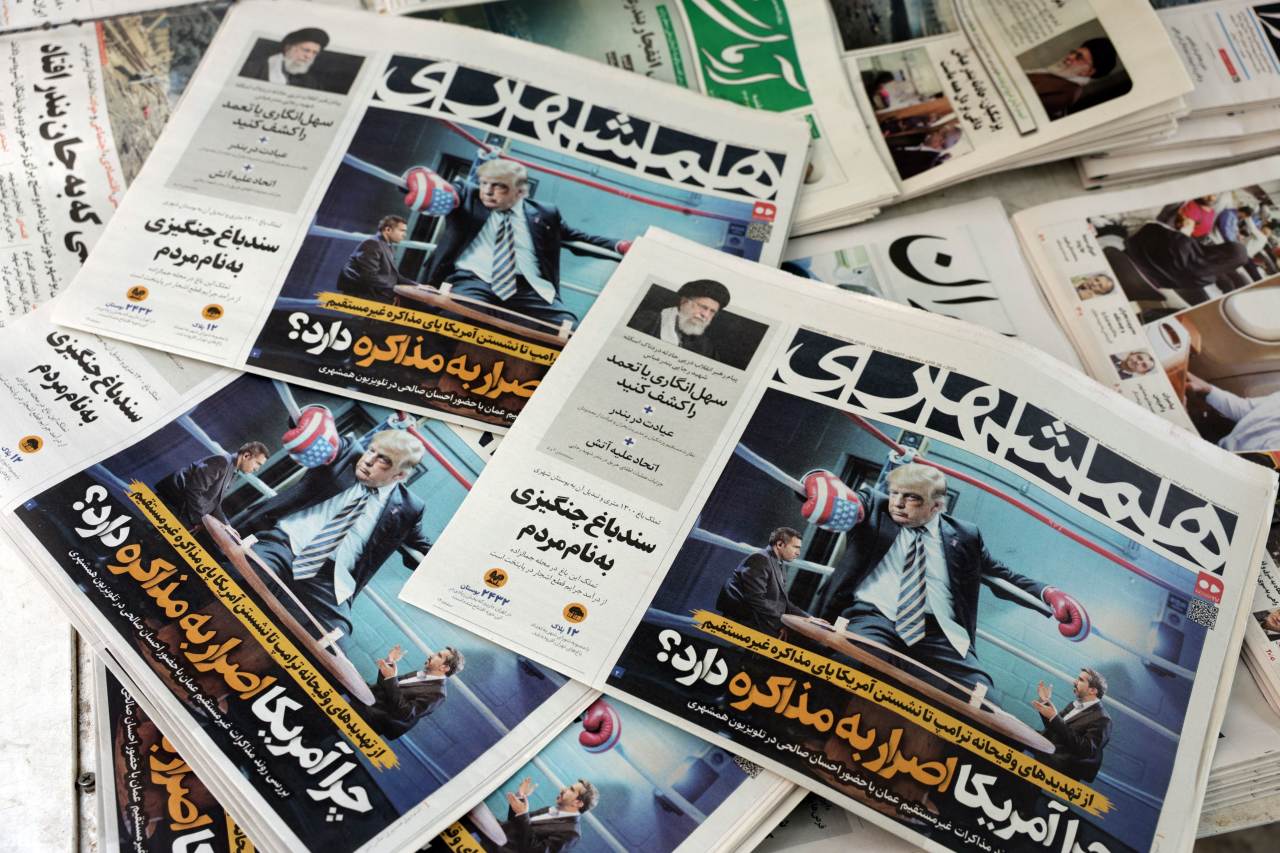
Trump has threatened military action against Iran if it refuses strict limits on its nuclear work, but has yet to convince most other allies.
Jean-Noël Fabius, France’s foreign minister, stated in an interview that both France and other nations require stricter actions against Tehran than those outlined in the 2015 nuclear agreement from which Trump withdrew. However, he explicitly dismissed the possibility of adopting a military approach.
“We think that there is no alternative route to resolving the Iranian issue except through diplomacy,” he stated.
Send your message to Josh Dawsey
Joshua.Dawsey@WSJ.com
and Alexander Ward at
alex.ward@wsj.com