
India and Pakistan committed to a complete and instant cessation of hostilities on Saturday; however, Indian authorities alleged that Islamabad breached the pact shortly thereafter.
Responding to a local broadcaster, Pakistan’s information minister Attaullah Tarar refuted any breach of the ceasefire agreement.
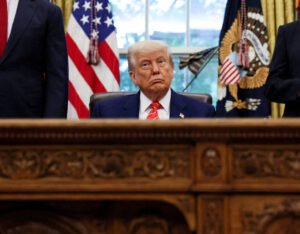
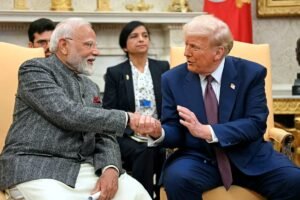
Following reportedly extensive negotiations mediated by the U.S., a ceasefire deal was reached, which President Trump highlighted through a message posted on his platform, Truth Social. He praised both nations for employing “Common Sense and Great Intelligence” in their discussions.
The tensions between India and Pakistan had been escalating for some time now.
deadly militant attack
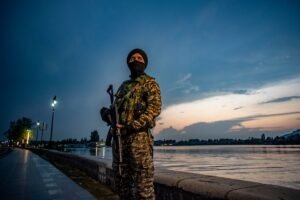
In April, an incident resulted in the deaths of 26 individuals, primarily Indian tourists, in Indian-controlled Kashmir. India attributed responsibility to a terror organization with ties to Pakistan.
India carried out missile attacks on Pakistan.
retaliation for the attack
This has resulted in both parties firing missiles and drones at one another’s territories in a escalating cycle of retaliation over the past few days.
Who brokered the cease-fire?
The United States has played a crucial role in brokering cease-fire agreements during previous conflicts between India and Pakistan.
Secretary of State Marco Rubio and Vice President JD Vance led a diplomatic charge this week to get the two countries to back off from a conflict that Trump feared could go nuclear.
What is causing the conflict between India and Pakistan?
The origins of the dispute between India and Pakistan date back many years. Until 1947, the Indian subcontinent was under British rule and then divided into a Hindu-dominated India and a Muslim-dominated Pakistan.
The two nations have engaged in three conflicts, primarily due to the contested Muslim-majority area of Kashmir. While both India and Pakistan assert full control over Kashmir, they each govern different parts of the region.
Kashmir was India’s sole Muslim-majority state until New Delhi assumed stricter administrative oversight and subsequently reduced its status.
a Union Territory in 2019
India stated that this step would contribute to stabilizing the region’s economy and safeguarding it against separatist militant groups.
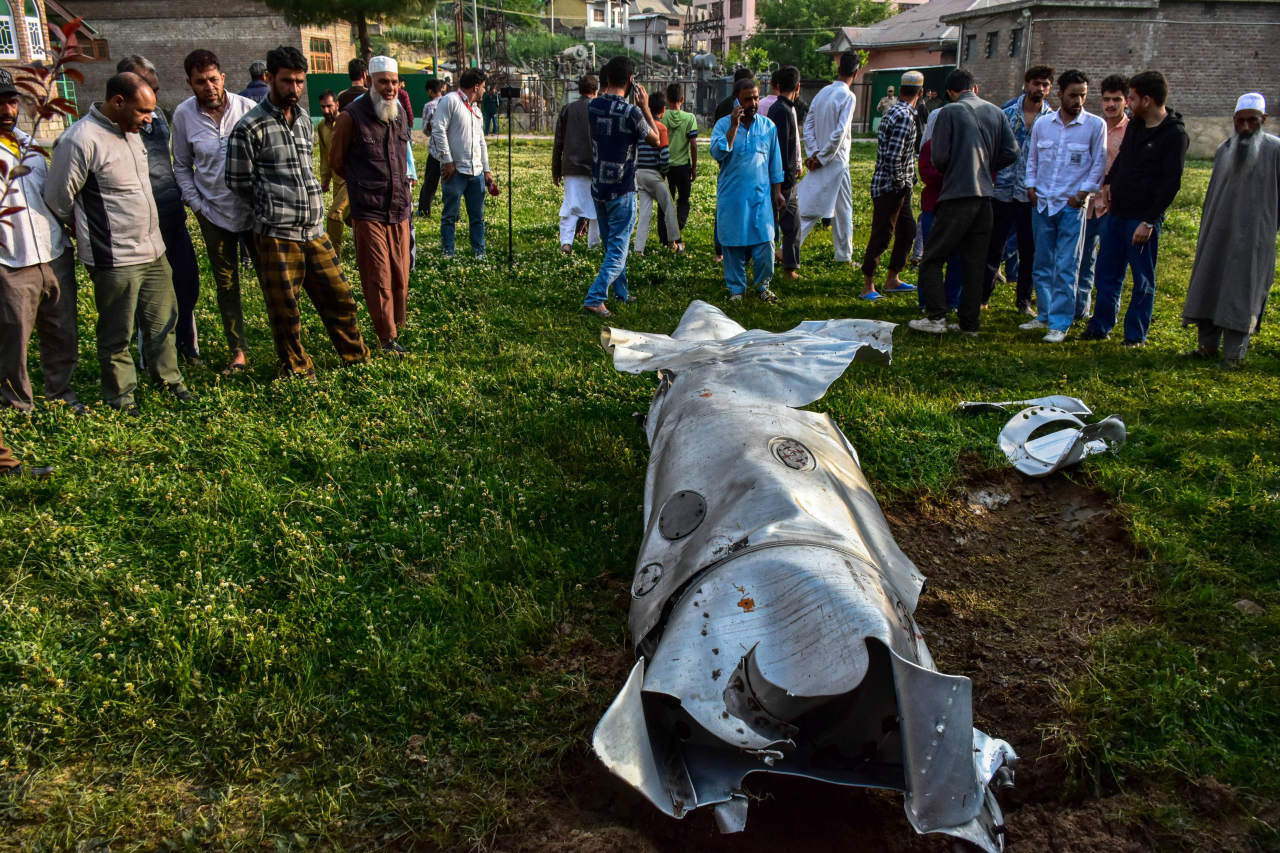
Where did India hit?
Earlier this month, tensions between India and Pakistan escalated as both nations accused each other of conducting drone and missile attacks during the night.
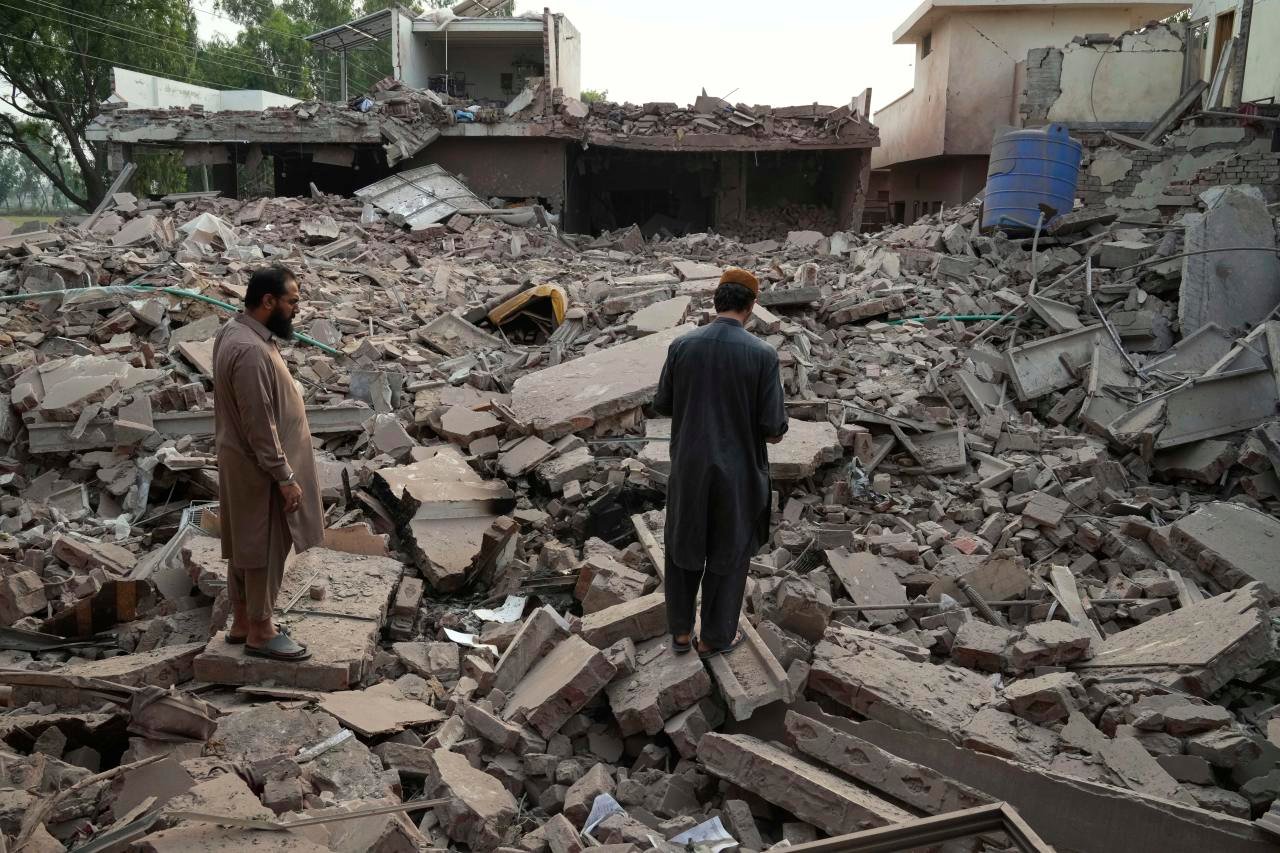
A surge in violence occurred one day following India’s announcement of launching military attacks on nine locations within Pakistan with the aim of dismantling terror networks. However, Pakistan claimed that these strikes targeted civilian regions, resulting in 31 fatalities and numerous injuries. They also stated that these areas did not house terrorists.
Pakistan’s defense minister informed a local television network that Pakistan
downed five Indian planes
in response.
What is causing tensions between India and Pakistan?
The most recent exchange of drone attacks and missiles between the two opposing nations occurred following India’s launch of missile strikes against Pakistan on Wednesday, as revenge for the assault that took place in Kashmir back in April.
It was the worst attack on civilians in India since an
attack in Mumbai in 2008
. Without providing evidence, India said the militants were associated with Lashkar-e-Taiba, the Pakistani group behind the Mumbai attacks. The U.S. considers the group a terrorist organization.
Pakistan has denied any involvement in the April attack and has in turn accused India of sponsoring a terrorist network inside Pakistan. The country
has threatened to respond
to India’s military strikes.
Why is Kashmir central to the conflict?
This area has been pivotal in the disputes between India and Pakistan, as each country claims it entirely yet only controls portions of it.
In the 1990s, discontent in Kashmir over political disenfranchisement turned into a violent insurgency that erupted into bloody skirmishes between militant separatists and Indian security forces.
Indian Prime Minister Narendra Modi revoked the area’s special autonomous status in 2019, which triggered a political uproar but fulfilled a campaign promise to his Hindu-nationalist supporters.
In recent years, militants have sometimes killed Hindus in apparent retaliation for the region’s loss of autonomous status.
Does Pakistan have nuclear weapons?
Both India and Pakistan have nuclear weapons, which analysts said has restrained both sides from escalating to the point of war during past conflicts.
India has declared a no-first-use nuclear policy, but Pakistan hasn’t.
Is there a war between India and Pakistan?
The last full-scale war between the countries was in 1999, when Pakistan-backed forces infiltrated Indian-controlled Kashmir. The conflict ended with India regaining the small portion of territory the Pakistan-backed forces had seized.
They have had smaller clashes since then, including a 2019 conflict after a suicide bomber killed 40 paramilitary police officers in Kashmir. The attacker claimed in a video released afterward to be a member of Jaish-e-Mohammed, a Pakistani militant group.
India retaliated with airstrikes against Pakistan. Pakistani forces shot down a warplane and captured an Indian pilot. Tensions eased after the countries negotiated his release.
This explanatory article may be periodically updated.
Write to Shan Li at
shan.li@wsj.com