


The EU is not rushing to enforce sanctions on Russian liquefied natural gas because they want to maintain their bargaining power with the US. Brussels is concerned about becoming more reliant on energy from Washington, according to Reuters.
The agency states that European authorities have dropped the plan to push for a prohibition on importing Russian liquefied natural gas into the EU as part of upcoming measures because several governments opposed it and questions remain regarding potential substitute suppliers.
EU to develop new roadmap
The commission aims to create a fresh strategy to free the union from reliance on Russian energy supplies by 2027, according to information provided by the organization’s insiders. This plan is scheduled for unveiling in early May; however, specific particulars remain limited.
It is anticipated that the Commission will suggest the 17th round of sanctions targeting Russia by June; however, officials mention that progress on these measures is proceeding at a sluggish pace.
The most recent discussion about banning Russian liquefied natural gas (LNG) imports among EU governments took place in January, coinciding with the Commission’s preparation of its 16thpackage proposal.
The EU’s reliance on American natural gas
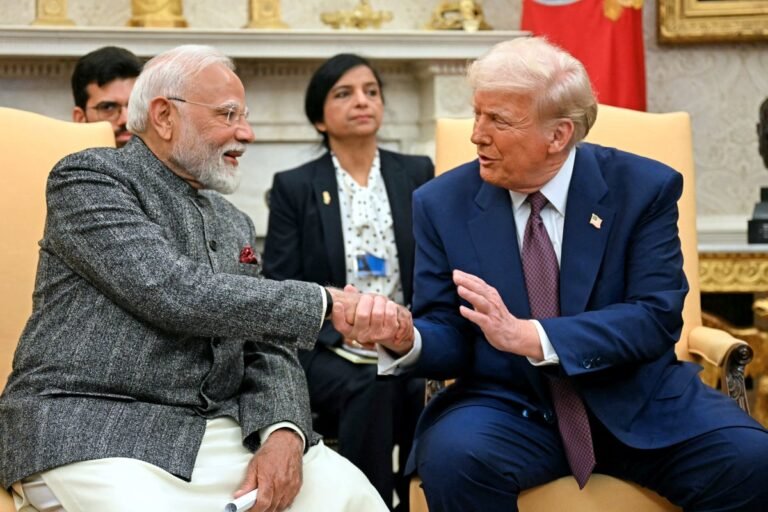
The organization reports that U.S. President Donald Trump has repeatedly expressed his desire for the European Union to purchase increased amounts of American natural gas. In response, EU officials are contemplating postponing sanctions on Russian liquefied natural gas (LNG) imports as a potential bargaining chip aimed at encouraging the U.S. administration to reduce tariffs.
The EU trade representative met with their American equivalent on Monday to talk about initiating talks. The Commission mentioned that this meeting was included in an assessment, adding that Washington has not yet specified its requirements.
“The European Union is contributing its share. It is now crucial for the United States to outline its stance. Similar to all negotiations, this should be a reciprocal effort,” the statement read.
An official mentioned that the Commission aims to avoid risking the loss of Russian liquefied natural gas because of sanctions, as this could weaken their position in talks.
The organization states that both the Commission and European Union member states are concerned about the development of a fresh dependency on the United States, which ranks as the third major natural gas provider to the union following Russia and Norway.
Refusal from Russian gas
Ever since Russia launched its full-scale invasion of Ukraine, Western nations have progressively stopped relying on Russian energy sources. Specifically, both the European Union and the United States, along with allied countries, have decreased their intake of oil, natural gas, and coal imported from Russia through various sanction measures and prohibitions.
Meanwhile, Reuters has provided further information stating that the European Commission intends to unveil a comprehensive plan for eliminating reliance on Russian oil and natural gas imports.
Earlier today, Mathieu Bie, who leads the Belgian Ministry of Energy, stated that any discussions about the Western nations rebuilding their energy relationships with the Russian Federation are “unrealistic.” He stressed that nobody will pretend that events have not transpired.