
The area of Kashmir, which has been grappling with over seventy years of strain, once again descended into turmoil.
Live coverage of the Kashmir conflict: Pakistani Prime Minister grants permission to the military to engage in “appropriate retaliation” following Indian attacks that resulted in 26 casualties.
—
The Guardian (@theguardian.com)
2025-05-07T10:51:34Z
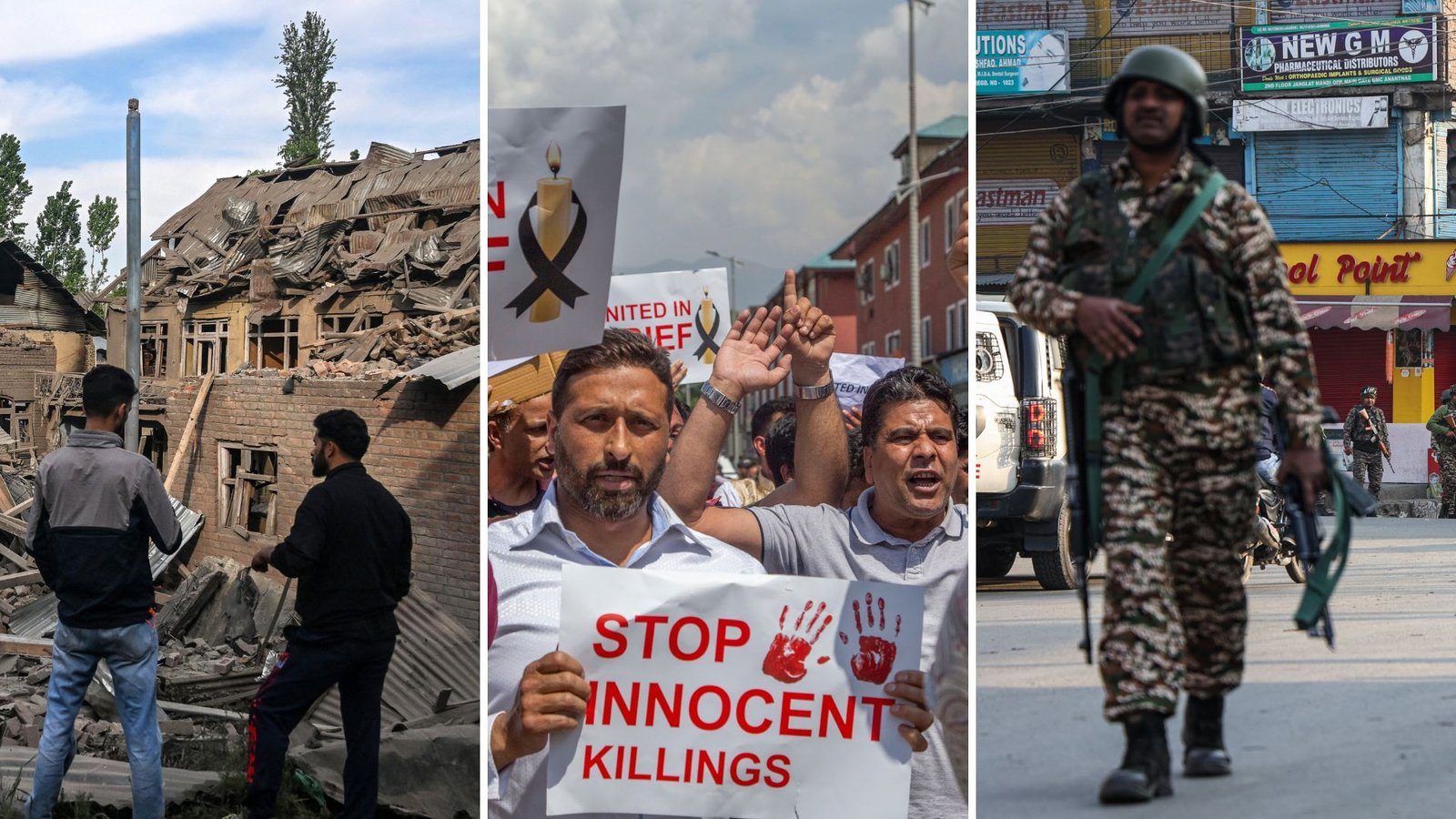
In just two weeks, the deadly April 22 attack on a tourist bus in Pahalgam, a popular tourist resort in India’s Kashmir region, has rekindled historic tensions between India and Pakistan.
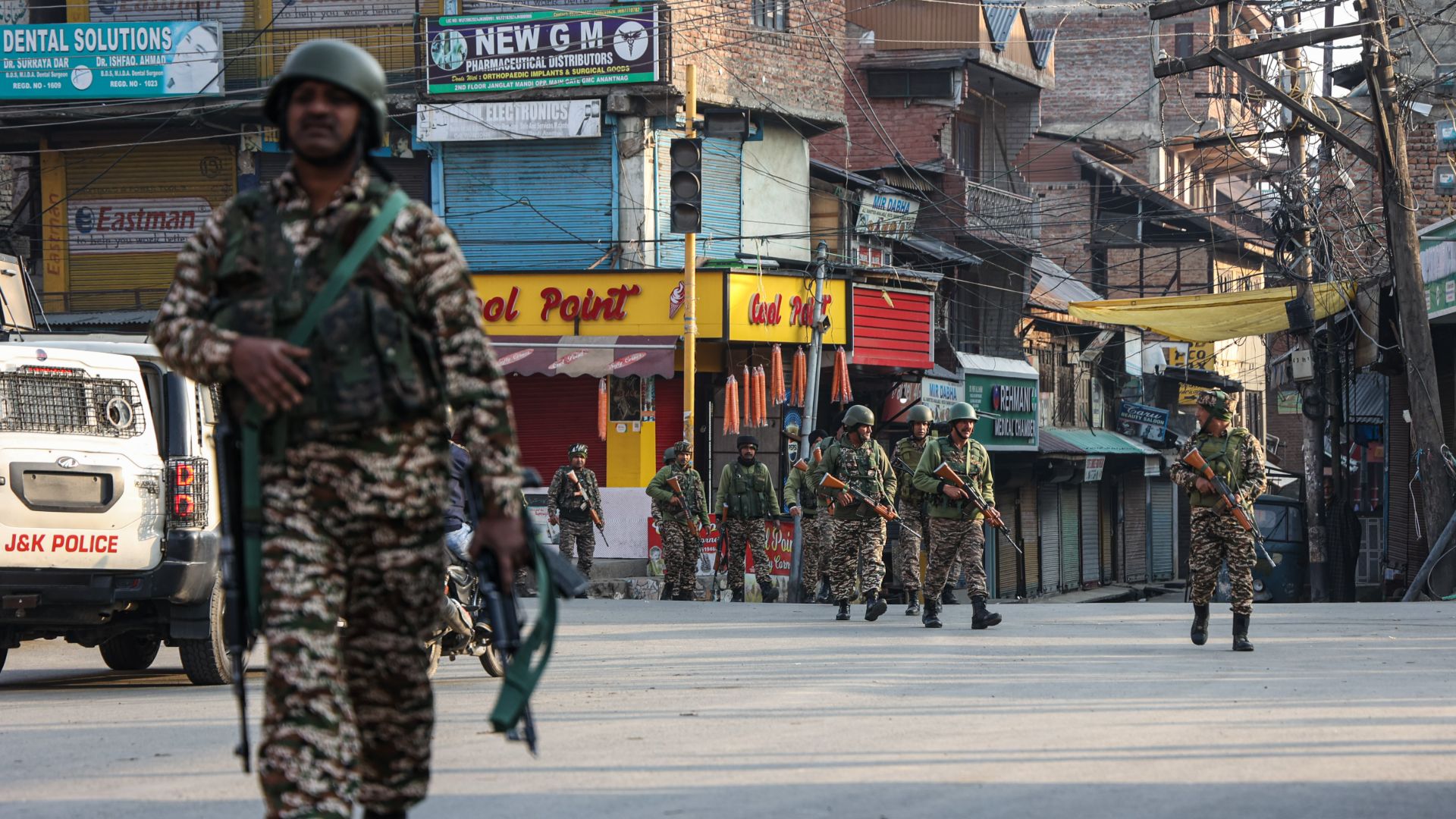
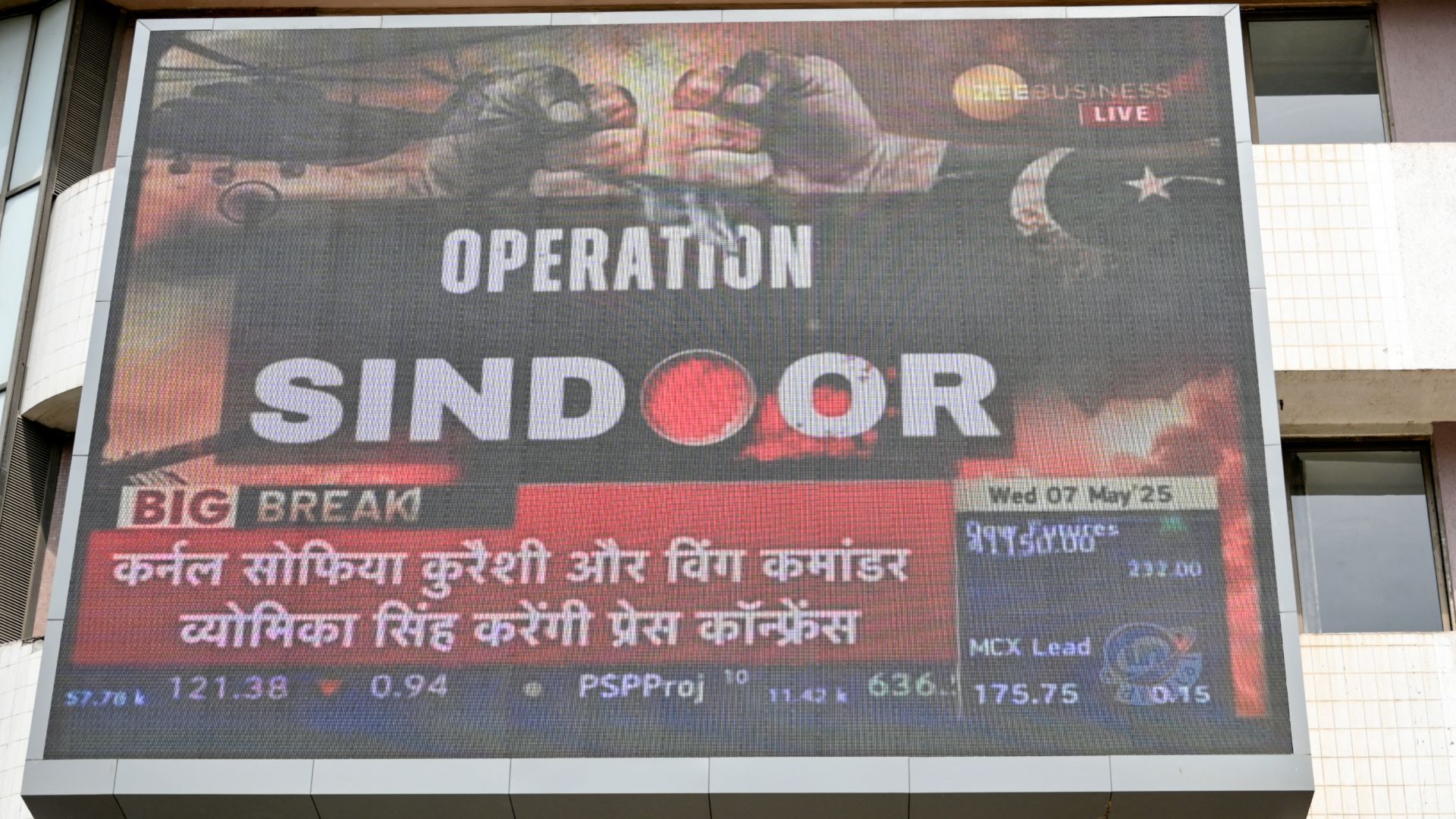
Delhi responded quickly: India initiated the military action dubbed “Sindoor,” aimed at purportedly “terrorist” locations within Pakistan and Pakistani-administered Kashmir.
These strikes were characterized by Indian officials as “precise and not escalatory,” but they were seen by Pakistan as clear acts of aggression.
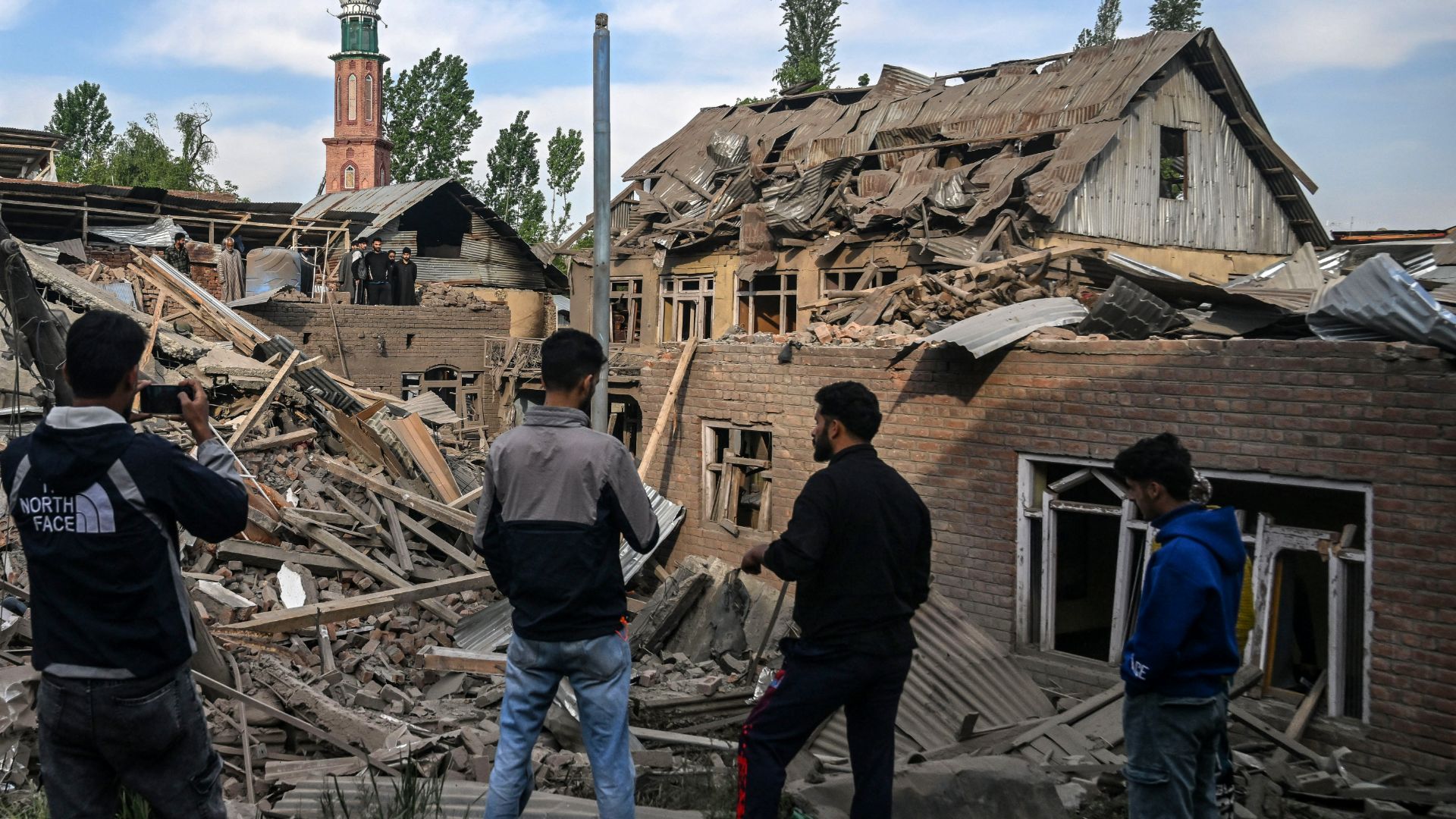
Following this, skirmishes, losses, and aggressive statements have escalated on either side of the Line of Control. As reported by Islamabad, Pakistan mourns 26 fatalities and 46 injured individuals. On the contrary, India asserts that 15 civilians lost their lives and 43 were hurt due to Pakistani shelling.
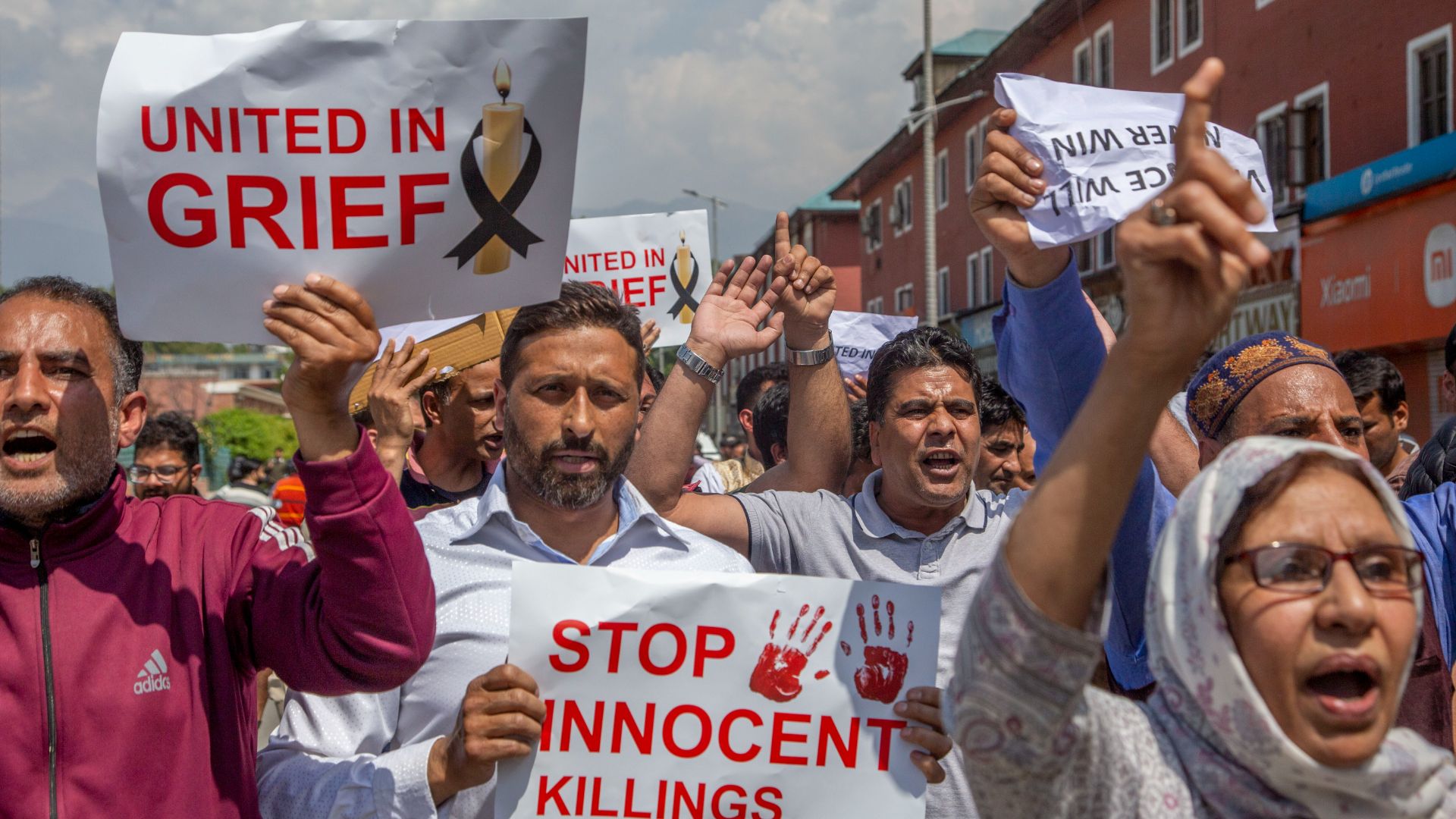
Although The Guardian reported that Indian Defense Minister Rajnath Singh celebrated the operation as “Triumph for Mother India,” Pakistani Prime Minister Shehbaz Sharif condemned the attacks as “an act of war.” In light of these escalating hostilities, the global community worries about a swift worsening of relations that might result in a significant crisis.
Many analysts believe that the apprehension over a significant military conflict between these two nuclear-armed nations has reached an all-time high.
This material was developed with assistance from AI.