



On Wednesday, Serbia stated that the allegations made by protesters of being hit by a “sonic weapon” were dismissed following an inquiry conducted by Russian intelligence officials.
Officers from Russia’s Federal Security Service (FSB) determined that no acoustic devices were employed to forcefully break up the large protest held on March 15 in Belgrade, according to Serbian President Aleksandar Vučić.
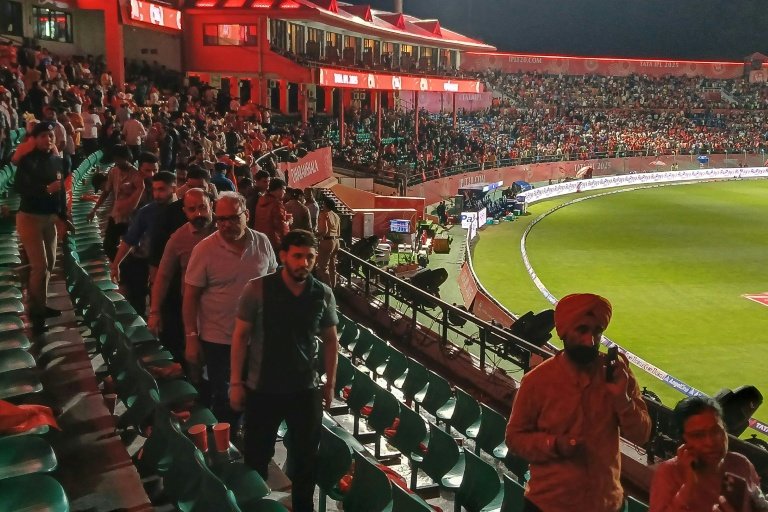
The demonstration — which was the nation’s largest anticorruption rally since a fatal train station ceiling collapse occurred last year and ignited nationwide protests — had attracted an estimated crowd of 100,000 to 300,000 individuals.
But it descended into panic after an unexplained noise triggered chaos and sent hundreds of protesters fleeing.
Participants and activists claimed that the government was employing a “sound cannon” or another type of sonic weapon. Media outlets released images of a law enforcement vehicle fitted with what seemed to be a US-produced LRAD 450XL long-range acoustic device.
While Interior Minister Ivica Dacic confirmed that Serbian police possess such equipment, he denied it was used at the protest.
The Serbian administration extended invitations to both the U.S.’s FBI and Russia’s FSB to conduct the investigation.
Although the FBI hasn’t addressed the request, which was issued by Serbia’s Ministry of Interior on March 18, the FSB reacted by dispatching a group at the end of March.
Vucic stated during a press conference on Wednesday that the FSB report indicated there was a “false claim regarding the employment of a sonic device.” He also warned of potential legal consequences due to accusations suggesting such equipment had been utilized.
Civil society organizations from Serbia claim they collected more than 3,000 statements where eyewitnesses during the protests recounted hearing sounds similar to a falling aircraft or an approaching vehicle. A number of individuals mentioned experiencing persistent health issues as well.
A week ago, activists handed over a petition bearing more than 500,000 signatures to the UN office in Belgrade, calling for an international inquiry.
Following a tragic roof collapse at the Novi Sad railway station on November 1, 2024, resulting in 16 fatalities, a student-organized demonstration emerged.
The tragedy, widely seen as a symbol of state corruption, has sparked Serbia’s biggest unrest since the 1990s.
dd-oz/rmb