

WASHINGTON — The Trump administration is taking a tough stance against Syria’s newly formed Islamist-dominated government, putting forth conditions that involve curbing extremist activities and removing Palestinian militants from the country as prerequisites for partially lifting economic restrictions, according to U.S. officials.
Recently, the White House released policy guidelines urging the Syrian government to undertake measures that include ensuring control over their arsenal of chemical weapons. According to multiple U.S. officials who have insight into this policy, as part of these efforts, the United States might contemplate renewing limited diplomatic engagements or support.
sanctions waiver
Issued by the Biden administration with the aim of accelerating the delivery of assistance to the nation, they noted.
This guidance shows doubt among administration officials regarding Syria’s government, led by ex-rebel leaders who forced President Bashar al-Assad out of power in December, thus concluding the nation’s 13-year civil conflict.
The policy document makes no reference to Russia, indicating that the Trump administration is stepping back from the previous efforts under ex-President Biden to pressure Assad to remove Russian military installations in Syria. For now, this move comes amid negotiations between US officials and Moscow regarding a resolution to the Ukraine crisis.
“The U.S. doesn’t acknowledge any group as the official Syrian government at this time,” stated a spokesperson from the State Department when questioned regarding the policy announcement. “The transitional administration in Syria must completely reject and combat terrorism,” she added.
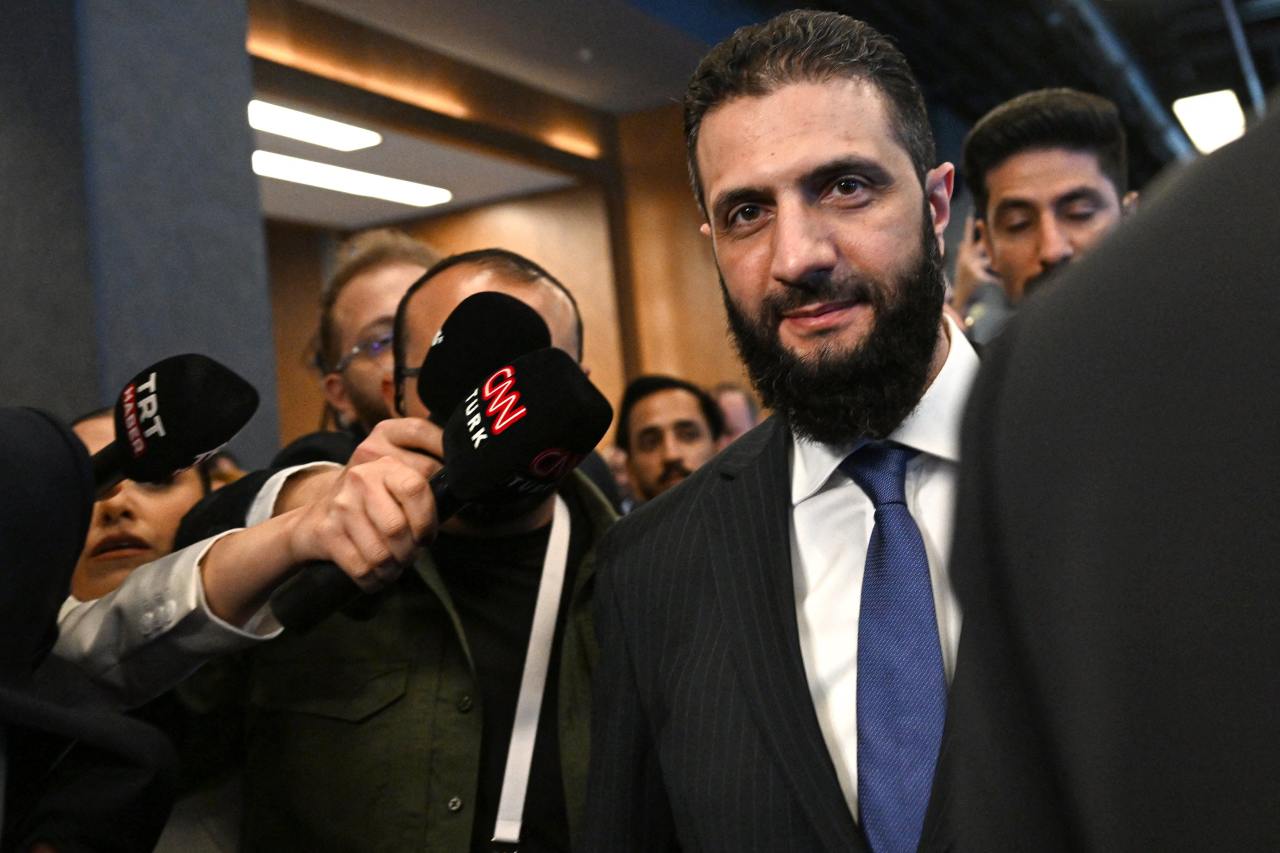
The U.S. government designates Syria’s newly appointed president, Ahmed al-Sharaa, as a terrorist due to an longstanding classification tied to his involvement in supporting the rebellion against U.S. troops in Iraq. He also established a faction of al Qaeda in Syria prior to severing connections with the organization.
In December, the Biden administration dispatched high-ranking officials for meetings with Sharaa and removed a $10 million reward that was initially offered by the FBI. However, the Trump administration seems reluctant to take more action unless further actions are taken by him and those under his command. In March, combatants aligned with his group conducted a sweep resulting in casualties among members of the Alawite community following an assault by supporters of the previous Assad government.
This week, U.S. defense officials stated that the Pentagon intends to reduce the approximately 2,000 American troops stationed in Syria by about half over the next few weeks and consolidate their positions there. The administration plans to conduct a review to assess whether further reductions should occur during the upcoming months. These military personnel were originally deployed to prevent Syria from serving as a base for extremist organizations like the Islamic State.
It’s uncertain how Trump will position himself regarding other aspects of America’s strategy for Syria.
U.S. envoy Steve Witkoff, who holds significant sway within the administration, mentioned earlier this month that Sharaa has transformed into “an entirely new individual.” He added, “People indeed evolve over time.” Prominent Republican figures have expressed reservations regarding the reduction of American clout in Syria, fearing it might create opportunities for both Russia and China to step in.
High-ranking U.S. military leaders have adopted a more practical stance on the circumstances in Syria, aiding to
broker a pact
In March, to bring a strong American-supported Kurdish-led fighting unit under the control of the Syrian government in Damascus.
The Syrian administration chose not to provide any remarks regarding the fresh set of demands issued by the U.S., which were conveyed to them. It was previously covered by The New York Times that the Pentagon had decided to withdraw troops from Syria.
For many years, Sharaa has been striving to soften his public persona, combating the Islamic State, and prohibiting his organization from conducting operations overseas. After assuming leadership, Sharaa along with his administration has endeavored to secure recognition from Western nations and the global community, vowing to lead Syria democratically and committing not to engage in hostilities with Israel. In March, he formed a new cabinet where Islamists retained control over significant portfolios yet also incorporated representatives from minority communities and figures within civil society.
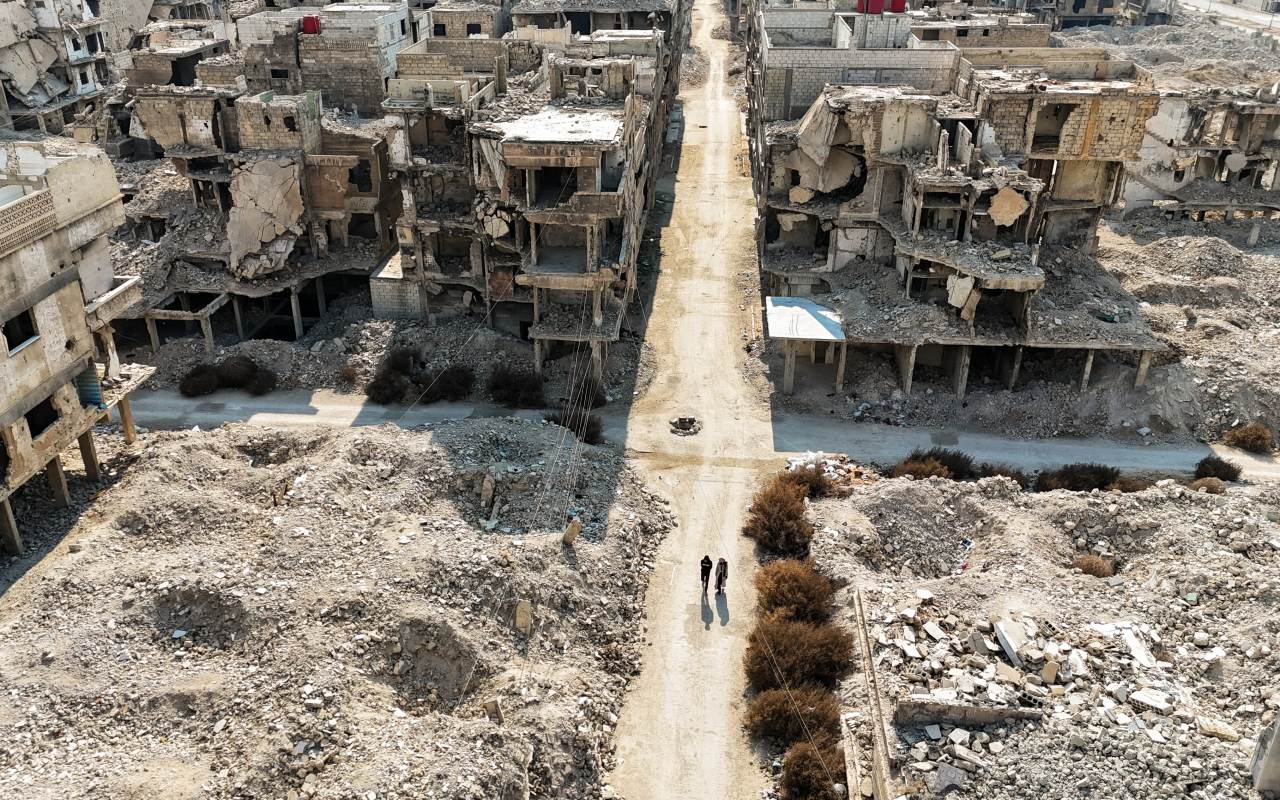
The stakes are high for Sharaa. Syria’s economy is struggling and swaths of its cities are in ruins after years of war in which Russian air power and Iranian militias backed Assad, who bombed his own people. The U.S. and other Western countries sanctioned Assad’s government in part to punish him for his atrocities.
Without a rollback of U.S. sanctions, rebuilding Syria will be difficult. The European Union and the U.K. eased some sanctions in recent months. Without American support and access to the U.S. financial system, however, Syria would struggle to pay government workers and launch a reconstruction effort that would allow refugees to return home and help prevent a resumption of violence in the country.
“There is so much assistance that is desperately needed to accomplish any of these things and to secure the country, let alone begin any kind of development,” said Natasha Hall, a senior fellow with the Center for Strategic and International Studies in Washington. “Time is running out.”
The recent administration policy guidance includes some requests similar to those made under the Biden administration, including working with the international Organization for the Prohibition of Chemical Weapons to safeguard the country’s remaining chemical weapons, securing highly-enriched uranium and appointing a liaison to work on locating 14 Americans missing in Syria. The administration is also asking the new government to issue a public declaration against jihadist groups.
In a new request, the administration wants Syria to ban Palestinian militant groups from operating in the country—including raising funds there—and expel members of those groups from the country. Palestinian groups have been based for decades in Syria, which has had a large Palestinian refugee population since 1948. Any move to expel them could set up a confrontation between the government and those militias.
If Syria takes all of the steps outlined in the policy, the U.S. would publicly commit to Syria’s territorial integrity and consider renewing diplomatic relations and removing terrorist designations from members of the new government, officials said.
Under the new policy, the U.S. would also consider extending existing sanctions waivers issued by the Biden administration in January, intended to speed delivery of humanitarian aid to Syria. The Treasury Department in January granted waivers to aid groups and companies providing essential supplies, including electricity, petroleum, and natural gas.
The offer falls far short of a rollback of sanctions called for by some European officials, regional powers such as Turkey and security analysts who are concerned Syria could again descend into violence or drift back under the influence of Russia and other traditional U.S. opponents.
“It’s going to make the situation very complicated, and actually it will only push Syria and the new authorities into the hands of the Russians or even the Chinese,” said Benjamin Fève, a senior research analyst with Karam Shaar Advisory, a consulting firm working on Syria’s economy.
The updated policy makes no reference to Russia, which initiated an onslaught of air strikes in 2015 aimed at supporting Assad’s rule. Russia is currently engaged in talks to retain its military footprint within Syria and has dispatched shipments of Syrian currency to the nation as part of its strategy to uphold its sway over the region.
According to two ex-officials from the Biden administration, a key aim of their diplomatic initiatives towards Damascus was to bring an end to Russia’s military presence in Syria. This included shutting down two crucial facilities: a naval base and an airbase located close to the Mediterranean Sea. These sites play a vital role in enabling the Kremlin to extend its influence globally.
Send your message to Jared Malsin at
jared.malsin@wsj.com
, Michael R. Gordon has written this
michael.gordon@wsj.com
and Nancy A. Youssef
nancy.youssef@wsj.com