



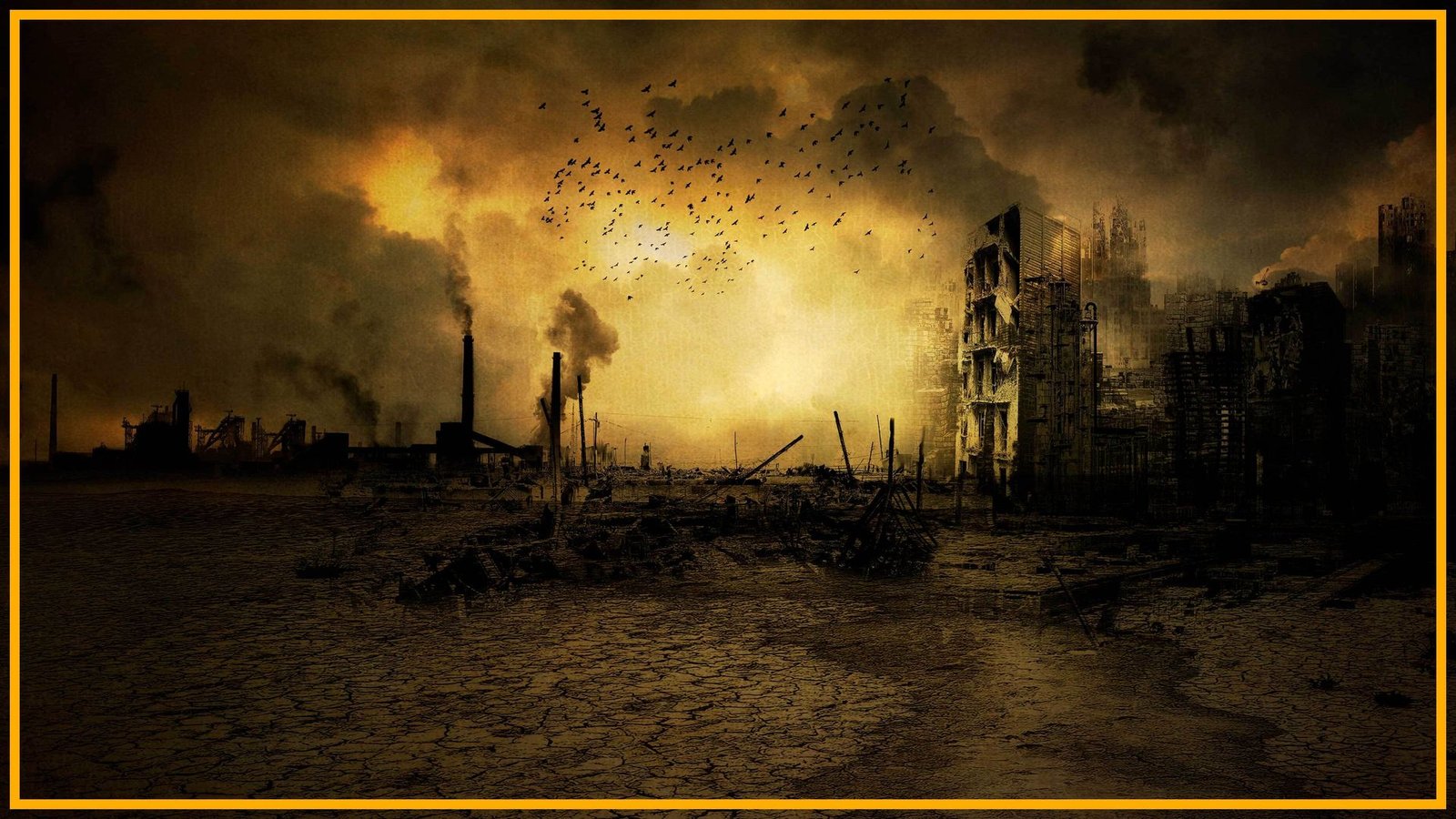
Climate change is
increasingly recognized
not just as an environmental crisis but as a factor that intensifies political and economic stresses across the globe._two_
صند$fdata
factors
— water scarcity and
mass migration
—are set to entirely transform the landscape of global conflicts.
If concerted worldwide efforts are not made, these challenges could trigger a harmful cycle of interconnected problems: disruption of ways of life, unprecedently large outbreaks of civil disorder and political brutality, massive population movements, and escalating cross-border disputes.

The globe is intricately connected. Changes in one area invariably affect others. Clean water, essential for our survival, becomes scarce and may spark disputes. Concurrently, increasing sea levels and escalating temperatures could render numerous urban centers and extensive regions unlivable. Combined, these alterations caused by humans will likely cause large-scale migration towards nations fiercely guarding their resources.
In response, governments will likely deploy ever-more sophisticated military technology to protect their own citizens, becoming more insular in the process. Once capitalism is at risk of crumbling, social divides increase, and nations, corporations, or even ultra-wealthy individuals may begin to take matters into their own hands — addressing climate change in a way that benefits them, potentially at the expense of others.
Water scarcity
The earliest civilizations developed near productive rivers located downstream—the Nile, Tigris, Euphrates, and Indus. In contemporary times, upstream countries are gaining more control over the water resources that downstream communities depend on—this situation could intensify into severe disputes as global temperatures rise.
Think about Iraq: The previously fertile farming zones around Basra have grown progressively arid because of Turkish dams further upriver and rapid climate shifts. This shortage has intensified conflicts among Iraq’s various territories, such as the upstream Kurdistan Regional Government, which has suggested
adding 245 dams
to the governorate), central Baghdad, and the downstream southern populations near Basra.
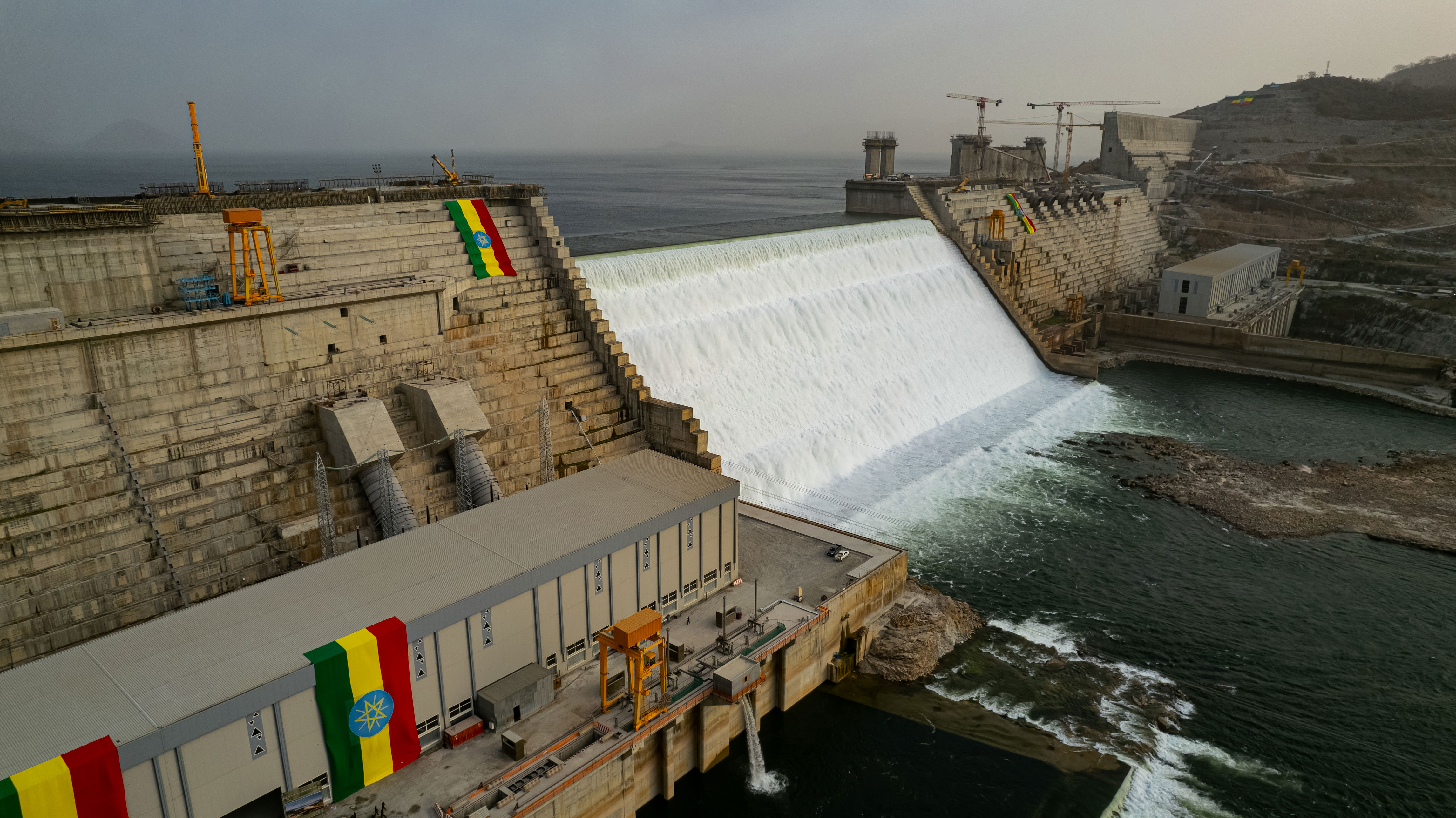
Similar disputes are arising in the Nile Basin, where Ethiopia’s Grand Renaissance Dam is being constructed.
heightened Egypt’s anxieties
over future water security. While Egypt’s recent history of internal unrest has many roots, projected water shortages linked to the dam and increasingly erratic rainfall
have amplified fears
about food insecurity, unemployment and migration, all of which could compound domestic instability.
As global warming accelerates, it’s possible that downstream states may clandestinely carry out or finance acts of ecoterrorism against their upstream neighbors, for instance by destroying dams, as
Russia did in Ukraine
.
Nearby, recent conflicts between the United States and Mexico regarding water rights have extended into economic policies. President Donald Trump recently
considered imposing sanctions and tariffs on Mexico
Over disagreements concerning water agreements linked to the Rio Grande and Colorado rivers, where flows have diminished in recent times due to climate change effects.
In 2020, tensions arose when Mexican governmental troops aimed to discharge the waters from the La Boquilla dam in Chihuahua, Mexico, towards the United States located downstream.
had violent confrontations with local farmers
whose farms would receive reduced water supply.
Mass migration overwhelming borders
As conflicts over water intensify, climate-induced migrations will exacerbate tensions within and among nations. Once those affected by climate change have depleted their resources,
all other options
For adapting in place, their initial response might be to
internal migration
and then
south-to-north mass migrations
that may overwhelm national borders.
Sea-level rise
threatens coastal cities
globally — such as in Miami, Venice, Lagos, and Jakarta
Alexandria
— potentially displacing millions of individuals and increasing competition for scarce habitable land and resources.
As migration pressures intensify, richer countries might progressively fortify their borders instead of allowing these people entry.
climate refugees
.
They are already taking action this way.
.
Certainly, history highlights the drawbacks of this strategy. Despite Rome’s advanced border defenses, they ultimately proved inadequate over time.
Climate change drove the influx of people.
Of opposing factions such as the Huns and Goths. To steer clear of this destiny, contemporary nations are moving past merely constructing physical obstacles; they are additionally implementing
drones
, artificial intelligence
surveillance
and even
autonomous
defensive measures to prevent refugees from entering.
Border hardening may go hand-in-hand with policy shifts that mean governments only protect the rights of those who can pay. This shift is already underway. The
recent proposal
for restructuring the U.S. Agency for International Development (USAID) into the US International Humanitarian Agency explicitly prioritizes American “taxpayers” and companies rather than its citizens, reflecting a broader global trend toward
commodifying
citizenship
.
This trend will worsen inequality, insulating the wealthy from climate change while the poorest suffer.
A hard road ahead
Successfully tackling these issues demands robust democratic leadership. Democracies that emphasize fair distribution of resources and adjustment to climate change will be more effective.
are more resilient
Sadly, numerous nations nowadays are regressing, growing more undemocratic and even reversing their climate change strategies.
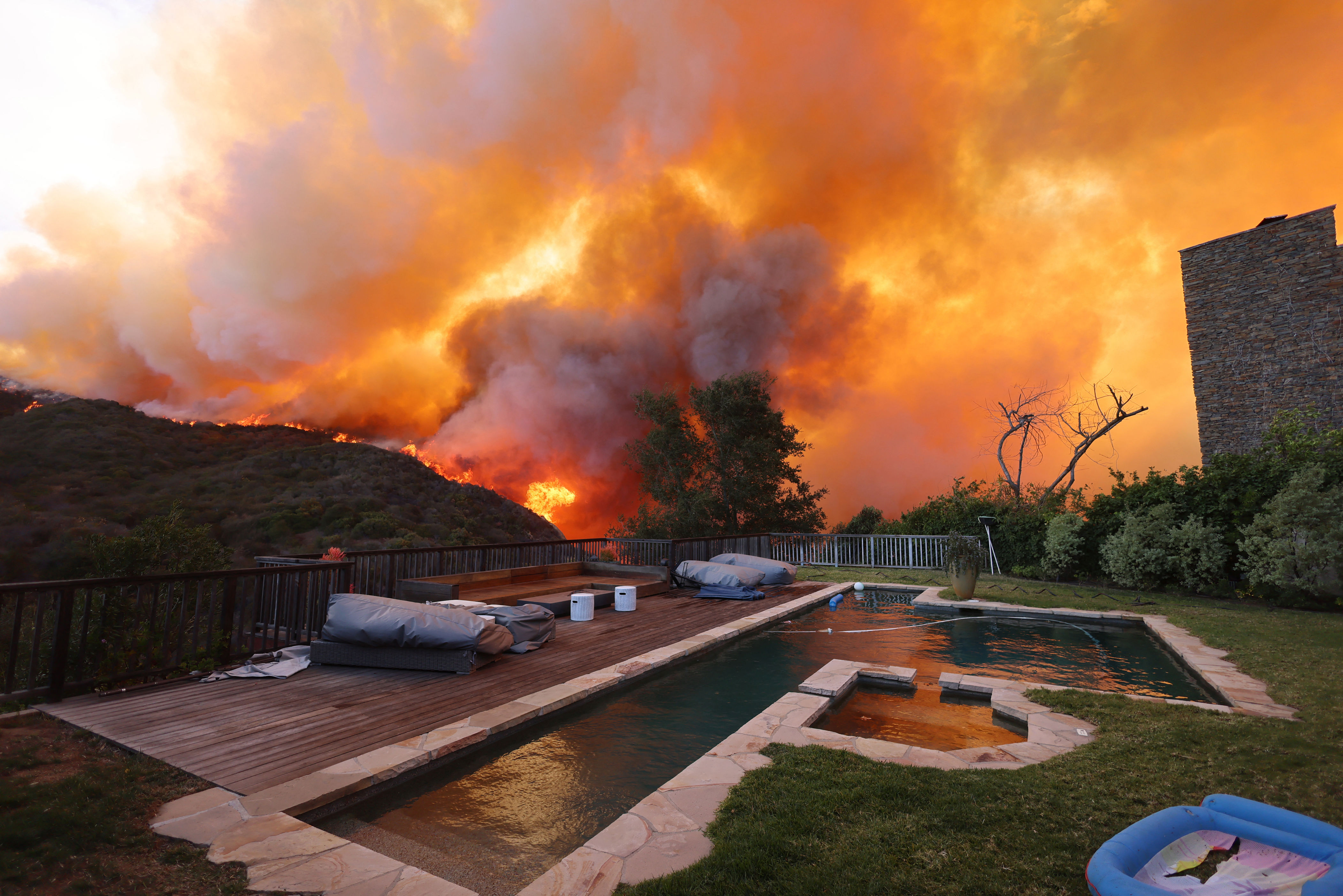
The possible breakdown of insurance markets because of climate effects,
highlighted recently
By Allianz, clearly depicts the consequences should governments not sufficiently address climate change.
Günther Thallinger
, who serves as part of the board for the insurance heavyweight,
alerted that very soon the firm may not manage to address climate risks adequately
—an effect that will reverberate throughout the financial industry. “The financial sector as we currently understand it stops operating,” he stated in a LinkedIn post. “Consequently, capitalism as we recognize it becomes unfeasible.”
When climate risks make large segments of global assets uninsurable — think entire districts or even cities vulnerable to flooding or wildfire — the foundations of capitalism wobble. Without significant political intervention, these pressures will dramatically widen social divides, fueling migration or even revolutionary movements.
The above scenarios could collectively heighten the risk of an often overlooked possibility: one where a single nation or group of nations unilaterally decides to deploy a stratospheric aerosol injection (SAI) — a
type of geoengineering
that, theoretically, reduces the effects of climate change by lowering overall solar radiation entering the atmosphere. However, the effects of such geoengineering strategies on rainfall patterns may inadvertently
alter downwind rainfall patterns
, or even cause ”
termination shocks
to temperature upon cessation.
Countries with middle incomes, often referred to as “buffer zone” nations such as Mexico or Turkey, which could potentially be inundated by increased immigration flows, might see a Strategic Aid Initiative (SAI) as a means to alleviate this pressure. Similarly, democracies where the government aims to address climate change initiatives but struggles to achieve international agreement on policies would also likely consider an SAI beneficial.
Craig Martin
, co-director of the International and Comparative Law Center at Washburn University School of Law, and
Scott Moore
a political scientist from the University of Pennsylvania has characterized the SAI scenario as a
conceivable cause for war
, potentially announced by authoritarian or oligarchical countries that are adversely impacted, or those seeking justifications to exploit resources or claim territories.
To avoid this escalating cycle of violence, economic turmoil, and governmental collapse, immediate, forward-thinking global collaboration is essential. Alongside significant initiatives aimed at combating climate change, we should establish enforceable agreements for sharing resources, implement compassionate policies for population movements, and foster joint adaptation strategies, with wealthier countries assisting less fortunate ones.
The significant transformation of conflict patterns due to climate change has already begun. The challenge for humankind currently isn’t about whether we’ll face these challenges, but rather about how we’ll address them—whether through collaboration and forward-thinking management or via increased military action, growing inequality, and rising unrest. How we act collectively at present will set the stage for global harmony and steadiness in the future.
Opinion
Live Science offers valuable insights into crucial scientific topics impacting your life and the global environment, crafted by specialists and prominent figures in various fields of science.
Like this article? For more stories like this, follow us on MSN by clicking the +Follow button at the top of this page.