
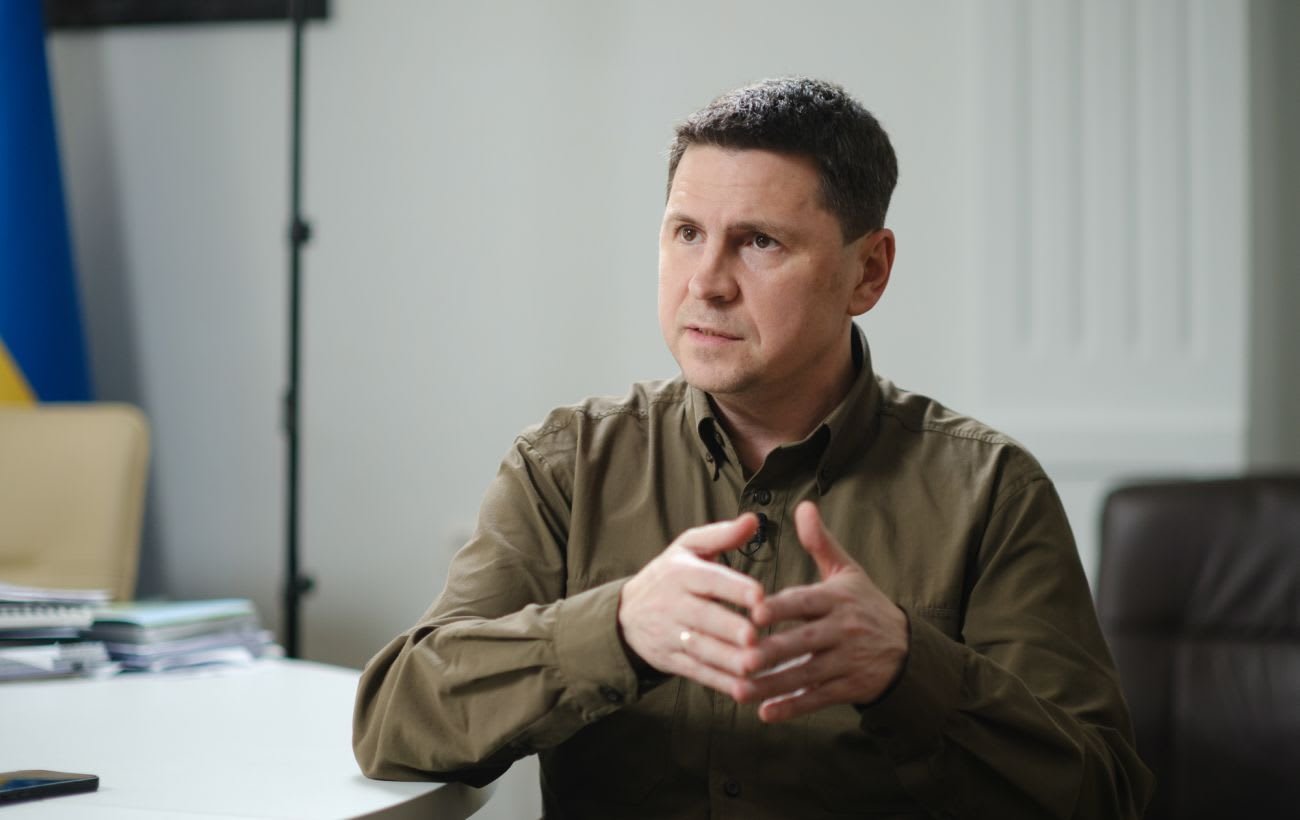
An intensification of tensions between India and Pakistan might expedite efforts aimed at effectively addressing the issue of war and peace in Ukraine, stated Mykhailo Podolyak, an adviser to the head of the Presidential Office of Ukraine, during a commentary for RBC-Ukraine’s YouTube channel.
“I do not believe a comprehensive war (between India and Pakistan – editor) is imminent. However, there is already considerable fighting happening at high intensity levels. We must remember these are two nuclear-armed nations. Additionally, they hold substantial sway globally; notably, India wields notable influence, particularly among Southern Hemisphere states,” stated Podolyak.
Open the Youtube video
As per his statement, India sustains specific connections with China and engages in commercial activities with Russia, particularly within the defense sector. Nevertheless, he pointed out that India has recently renewed agreements for the procurement of aircraft from France instead of Russia.
In Podolyak’s view, this war is part of a broader trend of global destabilization driven by Russia.
“This is the same thing that happened in the Middle East, the same thing that Iran did there, the same thing that North Korea is doing on the Korean Peninsula. This kind of regional instability is a consequence of the war in Ukraine. I believe that, on the contrary, the war that is now threatening this region will accelerate efforts to resolve the war and peace issue in Ukraine. It will increase global attention on Ukraine,” he added.
India-Pakistan conflict
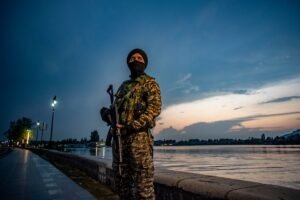
Recently, tensions escalated dramatically between India and Pakistan after a brutal militant assault targeted a contingent of visitors in the contested area of Kashmir. These nuclear-powered countries have exchanged war threats, leading to initial skirmishes at their common frontier.
On April 23, gunmen attacked a group of tourists in the Indian-controlled region of Kashmir. This assault marked one of the most lethal incidents in recent times, resulting in over 20 fatalities.
India alleged that Pakistan was behind a terrorist attack. As a reaction, New Delhi briefly suspended the Indus Waters Treaty with Islamabad.
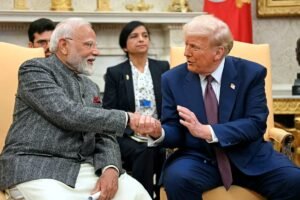
The Indian Prime Minister, Narendra Modi, similarly gave the military complete operational autonomy to determine the method, objectives, and scheduling of their retaliation against Pakistan following the Kashmir incident.
To learn more about the present circumstances between India and Pakistan, refer to the content provided by RBC-Ukraine.