
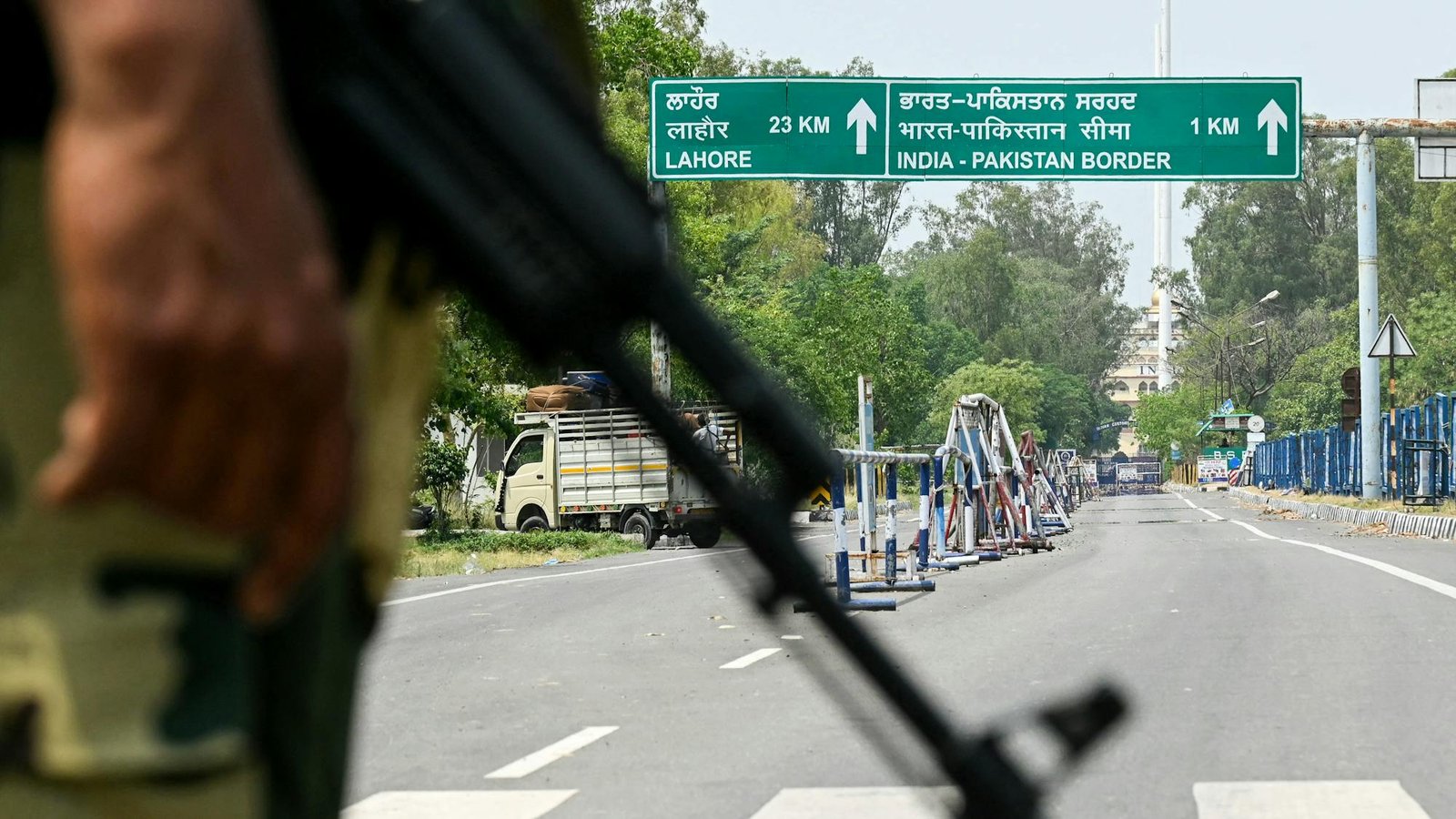
India and Pakistan have seen the scenario play out before: A terror attack in which Indians are killed leads to a succession of escalatory tit-fot-tat measures that put South Asia on the brink of all-out war. And then there is a de-escalation.
The broad contours of that pattern have played out in the most recent crisis, with the latest step being the
announcement of a ceasefire
on May. 10, 2025.
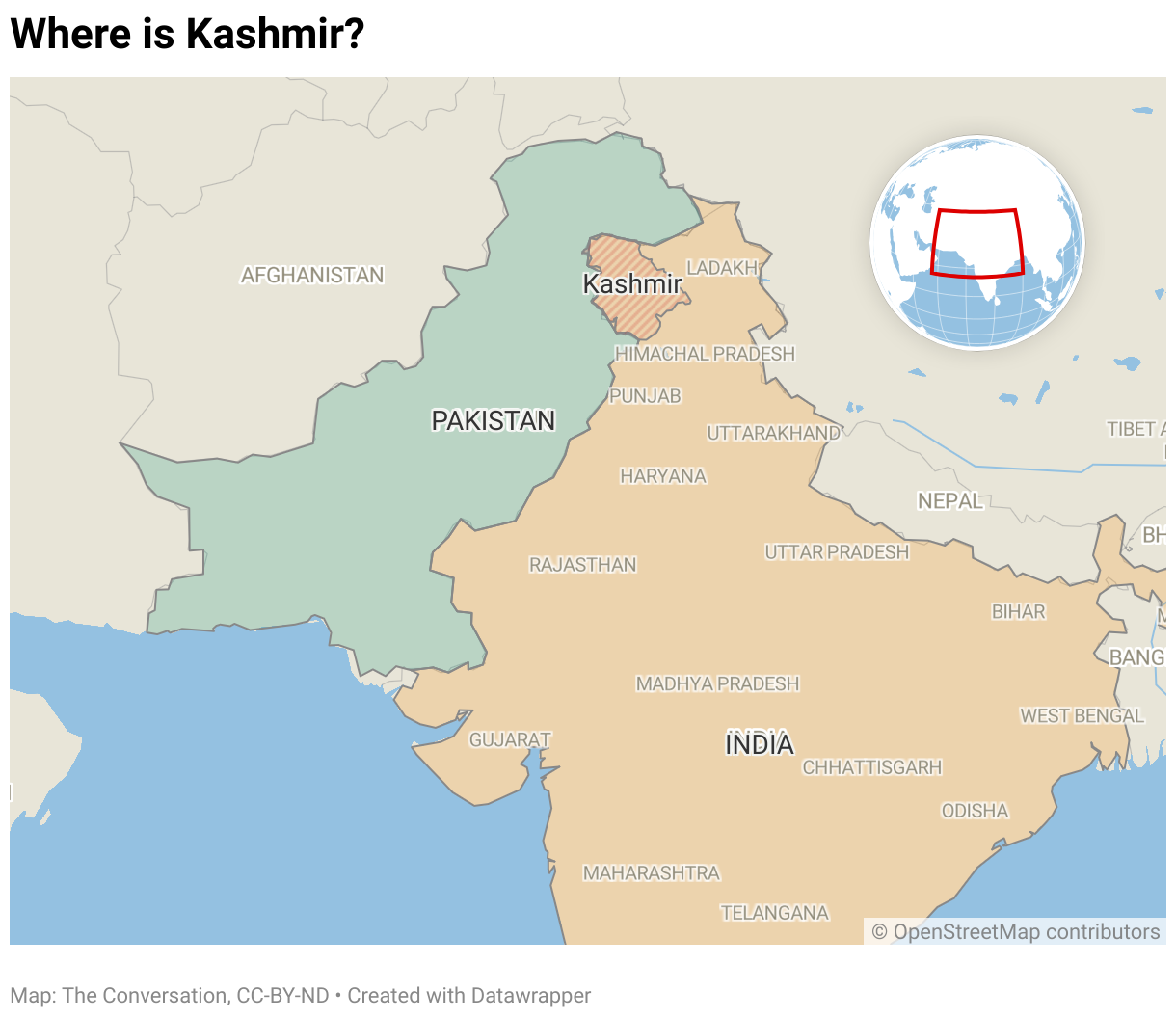
But in another, important way, the flare-up which began on April 22 with a deadly attack in Indian-controlled Kashmir in which 26 people were killed, represents significant departures from the past. It involved direct missile exchanges targeting sites inside both territories and the use of
advanced missile systems and drones
by the two nuclear rivals
for the first time
.
As a
scholar of nuclear rivalries
, especially that between India and Pakistan, I have long been concerned that the erosion of
international sovereignty norms
,
diminished U.S.
interest and influence
in the region and the
stockpiling of advanced military
and
digital technologies
have significantly raised the risk of rapid and uncontrolled escalation in the event of a trigger in South Asia.
These changes have coincided with domestic political shifts in both countries. The
pro-Hindu nationalism
of Indian Prime Minister Narendra Modi’s government has heightened communal tensions in the country. Meanwhile Pakistan’s powerful army chief, Gen. Syed Asim Munir, has embraced the “
two-nation theory
,” which holds that Pakistan is a homeland for the subcontinent’s Muslims and India for Hindus.
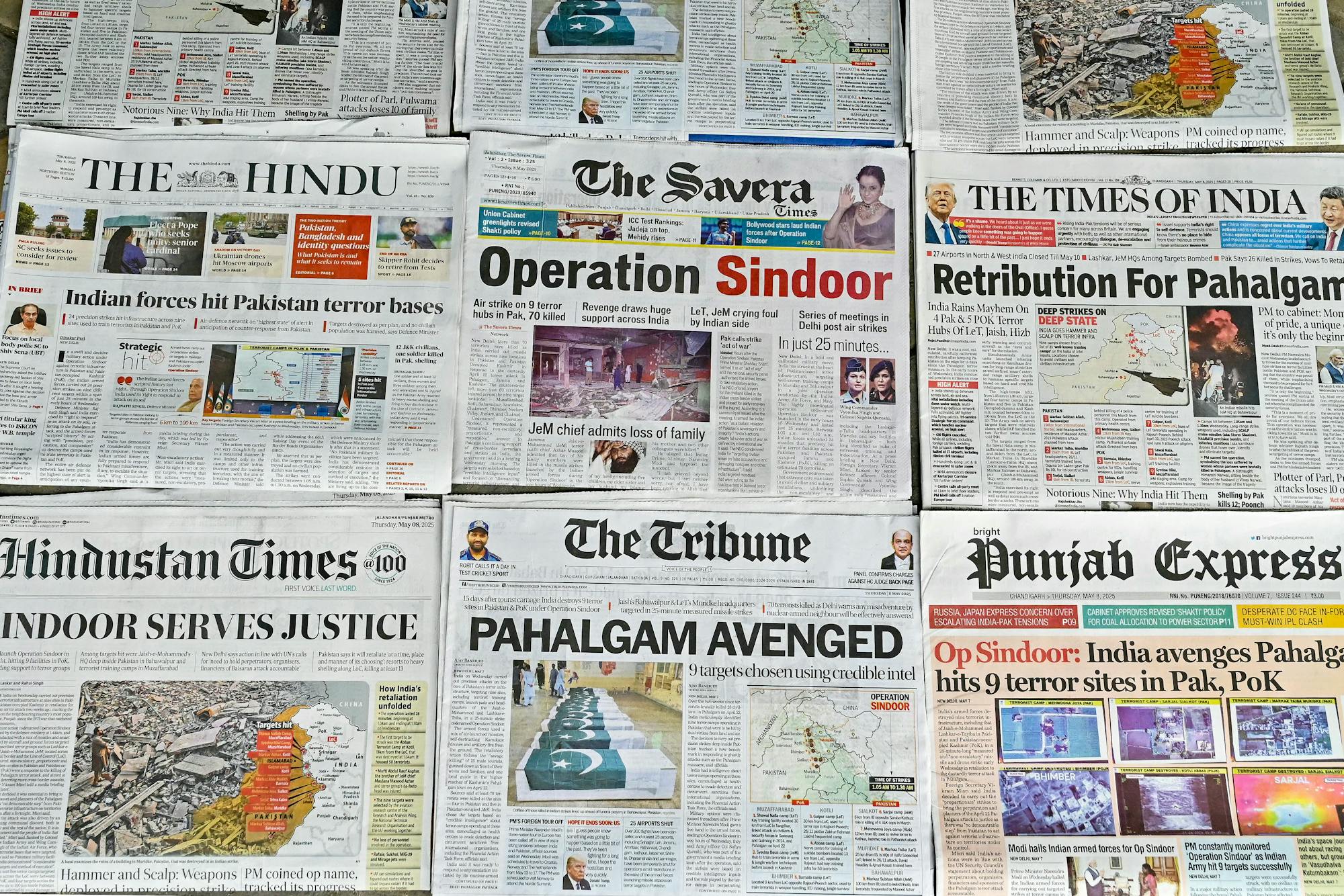
This religious framing was even seen in the naming of the two country’s military operations. For India, it is “
Operation Sindoor
– a reference to the red vermilion used by married Hindu women, and a bold allusion to the widows resulting from the Kashmir attack; Pakistan termed its retaliatory operation as
Bunyan-un-Marsoos
– an Arabic expression from the Quran signifying ‘a strong foundation.’
The role of Washington
The India-Pakistan rivalry has resulted in the deaths of tens of thousands of people throughout history.
multiple wars
In 1947-48, 1965, and 1971. However, starting from the late 1990s, every time India and Pakistan neared the edge of conflict, a standard sequence played out: Vigorous diplomatic efforts, frequently spearheaded by the U.S., helped calm the situation down.
In 1999, during President Bill Clinton’s term,
direct mediation
concluded the Kargil conflict — a restricted war sparked by Pakistani troops breaching the Line of Control and entering Indian-controlled Kashmir — by urging Pakistan to withdraw.
Likewise, following the 2001 assault on India’s parliamentary complex by terrorists reportedly connected to Pakistani organizations such as Lashkar-e-Taiba and Jaish-e-Mohammed, U.S. Deputy Secretary of State Richard Armitage became involved in
intense shuttle diplomacy
averting war between Islamabad and New Delhi.
And after the
2008 Mumbai attacks
, which saw 166 people killed by terrorists linked to Pakistan-based Lashkar-e-Taiba, rapid and high-level American diplomatic involvement helped restrain India’s response and reduced the risk of an escalating conflict.
In 2019, as recent as it gets, during the
Balakot crisis
— which followed a suicide bombing in Pulwama, Kashmir, that killed 40 Indian security personnel — it was American diplomatic pressure that helped contain hostilities. Former Secretary of State Mike Pompeo later
wrote in his memoirs
I believe the world doesn’t fully grasp just how near the India-Pakistan rivalry came to escalating into a nuclear conflict in February 2019.
A diplomatic void?
Washington as peacemaker made sense: It had influence and a vested interest.
During the Cold War, the U.S. formed a close alliance with Pakistan to counter India’s
connections with the Soviet Union
And following the September 11 terrorist attacks, the U.S. invested tens of billions of dollars.
military assistance
into Pakistan as a key ally in the “war on terror.”
At the same time, starting in the early 2000s, the U.S. started fostering India as an ally.
strategic partner
.
A secure Pakistan was an essential ally in the U.S. conflict in Afghanistan; a supportive India was
strategic counterbalance to China
This provided the U.S. with both the incentive and legitimacy to serve as an effective mediator during times of crisis between India and Pakistan.
Today, though, America’s diplomatic focus has shifted
moved considerably away from South Asia
The process started following the conclusion of the Cold War, but picked up speed significantly after the U.S. withdrew from Afghanistan in 2021. More recently, the conflicts in Ukraine and the Middle East have dominated Washington’s diplomatic attention.
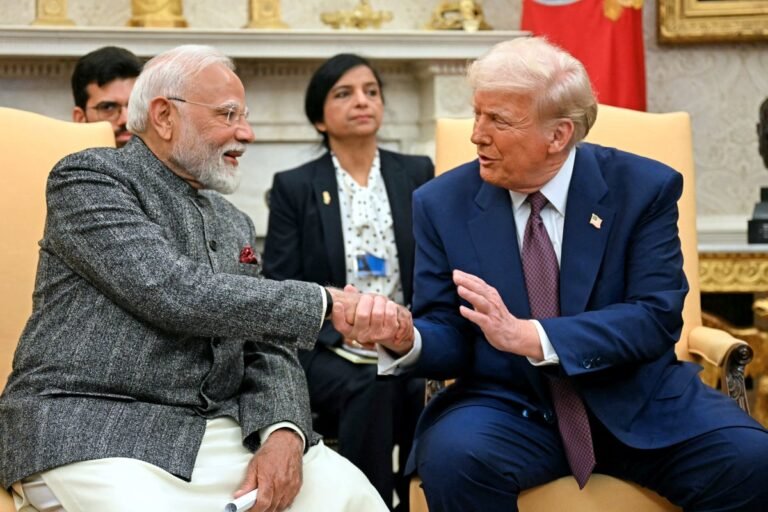
Since President Donald Trump assumed office in January 2025, the United States hasn’t appointed an ambassador to either New Delhi or Islamabad and lacks a confirmed Assistant Secretary of State for South and Central Asian affairs—factors likely impeding America’s mediation efforts in the region.
And while Trump said the May 10 ceasefire followed a “long night of talks mediated by the United States,” statements from India or and Pakistan
appeared to downplay U.S. involvement
, concentrating on the immediate two-party aspect of the discussions.
If it turns out that Washington’s position as a go-between for Pakistan and India has weakened, it isn’t clear right away who, if anybody, would take over this role. China, which has been attempting to
foster a position of mediation in another setting
, is not seen as a neutral mediator due to its close alliance with Pakistan and past
border conflicts with India
. Other regional powers like Iran and Saudi Arabia tried to step in
during the latest crisis
, but both lack the power clout of the U.S. or China.
This absence of external mediation is not, of course, a problem in itself. Historically, foreign interference – particularly U.S. support for Pakistan during the Cold War – often complicated dynamics in South Asia, by
creating military imbalances
and
reinforcing hardline positions
. But the past has shown external pressure – especially from Washington – can be effective.
Breaking the norms
The recent escalation unfolded against the backdrop of another dynamic: the erosion of international norms since the end of the Cold War and accelerating after 2001.
America’s “War on Terror” fundamentally
challenged international legal frameworks through practices
like preemptive attacks against independent nations, focused drone assassinations, and the ”
enhanced interrogation techniques
of detainees that numerous legal experts categorize as torture.
Recently, Israel’s actions during military operations in Gaza, Lebanon, and Syria have faced substantial criticism due to their repercussions.
breaches of international humanitarian law
—but have led to minimal repercussions.
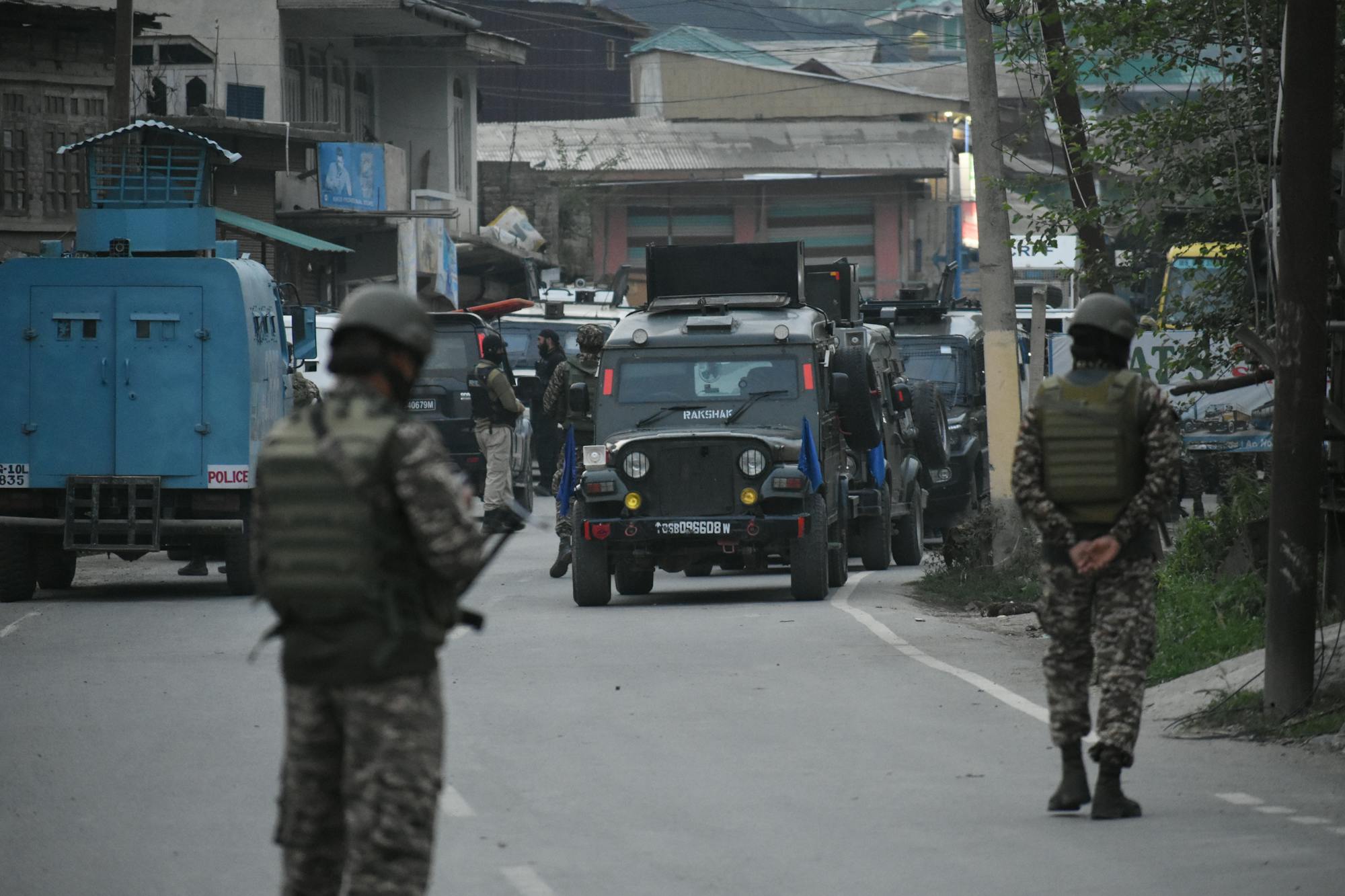
To put it briefly, established geopolitical standards have diminished, and military moves that were previously considered untouchable redlines are now being breached with minimal consequences.
For India and Pakistan, this atmosphere presents both possibilities and dangers. Each country can cite examples from other regions to legitimize aggressive steps they’ve taken, which in earlier times might have been considered excessive—such as
assaults on houses of worship
and sovereignty violations.
Multi-domain warfare
However, what really sets apart the most recent crisis from previous ones, in my view, is its multidimensional character. The dispute now extends beyond traditional military engagements along the Line of Control – as it had been in the past.
first five decades
of the Kashmir question.
Until the 2019 crisis, both nations generally adhered to the Line of Control as a practical demarcation for military activities. However, since then, there has been a perilous escalation: initially
cross-border airstrikes
into each other’s territories, and now to a conflict that spans conventional military, cyber and information spheres simultaneously.
Reports indicate Chinese-made Pakistani J-10 fighter jets
downed several Indian planes
Including sophisticated French Rafale fighter jets. This clash between Chinese and Western weaponry isn’t merely a two-sided dispute; it serves as an indirect trial of opposing global military innovations—thus introducing another dimension of major power rivalry to the situation.
Furthermore, the utilization of
loitering drones
Developed to target radar systems signifies a notable advancement in the technical complexity of cross-border assaults compared to previous years.
The conflict has likewise grown significantly into the cyber realm. Pakistani hackers, who call themselves the “صند
Pakistan Cyber Force
The report indicates breaches at multiple Indian defense organizations, possibly exposing personal information and login details of staff members.
At the same time, social media along with a burgeoning right-wing media landscape in India have turned into a key battleground.
Ultranationalist voices
In India, acts of violence against Muslims and Kashmiris were provoked; in Pakistan, antagonistic sentiments towards India escalated online as well.
Calm voices winning… at least for now
These shifts have created multiple escalation pathways that traditional crisis management approaches weren’t designed to address.
Particularly concerning is the nuclear dimension. Pakistan’s nuclear doctrine is that it will use nuclear weapons if its existence is threatened, and it has developed
short-range tactical nuclear weapons
intended to counter Indian conventional advantages. Meanwhile, India has informally dialed back its historic
no-first-use stance
, creating ambiguity about its operational doctrine.
Fortunately, the ceasefire declaration suggests that mediators’ opinions have won out this time. However, I contend that declining standards, reduced high-level diplomatic efforts between major powers, and the emergence of multidomain conflict turned this recent escalation into a perilous shift.
What unfolds next will reveal a lot about how nuclear adversaries handle, or mishandle, the escalation of conflict within this perilous new reality.
This article is being republished from
The Conversation
, a non-profit, independent news agency providing you with factual and reliable insights to help navigate our intricate world. It was authored by:
Farah N. Jan
,
University of Pennsylvania
Read more:
-
Trapped between two conflicting nuclear powers, the residents of Kashmir remain in distress as everyone lives in constant fear.
-
India-Pakistan conflicts: 5 key readings on years of tension and disputes over Kashmir
Farah N. Jan does not hold employment, provide consultancy services, possess stock ownership, or receive financial support from any entity that could gain from this article. She has declared no additional associations apart from her academic position.