
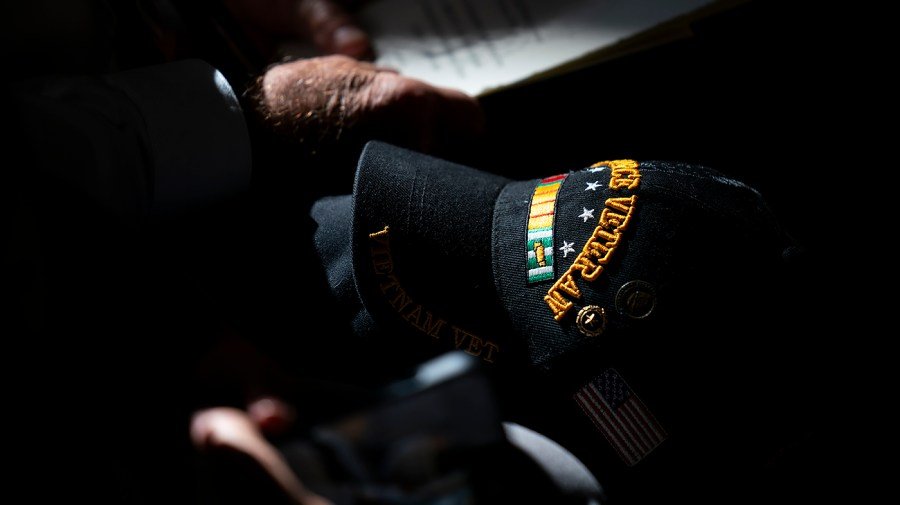
A recent survey conducted fifty years following the fall of Saigon revealed that the Vietnam War continues to be the most unpopular among significant U.S. conflicts over the last century.
According to the Emerson College Polling/Nexstar Media survey, this viewpoint is particularly pronounced among Vietnam War veterans compared to the broader population. The data reveals that 46% of these veterans do not think the war was justifiable, whereas 41% consider it to be so.
In the survey of adult opinions, the Vietnam War was deemed the most unjust conflict, with 44 percent believing it lacked justification compared to 29 percent who felt it was justified. Slightly over a quarter admitted uncertainty about their stance.
The outcomes were released before the 50th anniversary of the fall of Saigon in southern Vietnam on April 30, 1975, which marked the official end of the war. The U.S. had finished withdrawing from the conflict two years earlier, in 1973.
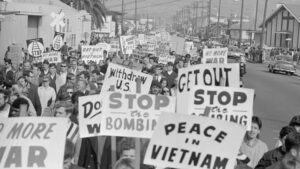
As the conflict progressed, public opinion regarding the war deteriorated due to the difficulties faced by the U.S. and their South Vietnamese allies in overcoming the communist opposition. This stands out as one of the rare instances where the U.S. did not achieve victory in an American military engagement.
The tensions escalated significantly after the release of the Pentagon Papers in 1971. This comprehensive report covered decades and examined decisions made under various presidencies concerning Vietnam. The documents exposed how numerous administrations had deceived the public about the progress of the conflict, with special emphasis on President Lyndon B. Johnson’s administration.
Clearly, World War II is viewed as the most justifiable U.S. conflict of the last hundred years, with approximately two-thirds of participants supporting involvement in it and only 10 percent opposing it.
Coming in at number two is the Korean War, where 36% of people believed it was warranted, whereas 22% disagreed. Following closely is the Persian Gulf War, ranking third with slightly fewer opinions expressed.
Opinions about the conflicts in Afghanistan and Iraq are varied. A slight majority believes that the war in Afghanistan was warranted, with 41% agreeing compared to 35%. In contrast, opinions on the justification for the Iraq War are nearly evenly divided, as 38% argue it was not justified, whereas 37% believe it was.
However, the conflict in Vietnam, where the U.S. backed South Vietnam against communist North Vietnam from the late 1950s through the early 1970s, continues to be the most unpopular among Americans. Sixty-two percent of adults believe that the country should not have been involved in this war, whereas only thirty-eight percent think that participating was the correct choice.
The pollsters discovered a generational divide when respondents addressed this issue. Those from older cohorts, who had firsthand experience of the war as it occurred, were more inclined to assert that the U.S. ought to have remained uninvolved compared to their younger counterparts.
Nearly 70% of individuals between the ages of 50 and 59, 60 and 69, as well as those 70 years old and above indicated that the U.S. should not have intervened. Around 60% of people from 40 to 49 agreed with this sentiment; however, adults ranging from 18 to 29 and 30 to 39 were nearly equally divided on the issue.
Differences emerged according to political beliefs; however, people from all viewpoints expressed doubt about the war. About seven out of ten Democrats, nearly two-thirds of independents, and slightly over half of Republicans believed that the U.S. ought not to have entered into this conflict.
A significant number of Vietnam War veterans endured unfavorable treatment from society due to their involvement in a conflict that incited widespread national demonstrations for many years. However, according to the survey, 78 percent of these veterans felt they have not received proper treatment from the U.S. government.
They awarded moderate ratings to the Department of Veterans Affairs for their efforts in supporting veterans, with 40 percent stating they believe it’s performing well and 35 percent viewing its performance as average. Just 13 percent each thought it was either excelling or struggling significantly.
At the same time, approximately eight out of every ten Vietnam veterans stated their belief that post-traumatic stress disorder represents a significant issue for all American veterans. In contrast, twenty percent considered it to be a less serious concern.
The survey took place from April 8th to April 11th and involved 1,000 adult participants from the U.S., with 250 of them being Vietnam War veterans.
Copyright 2025 Nexstar Media, Inc. All rights reserved. This content must not be published, broadcast, rewritten, or distributed.
To stay updated with the most recent news, weather forecasts, sports updates, and live streams, visit The Hill.