



On April 16, the Russian ruble appreciated to RUB82.3 per dollar, becoming the top-performing currency globally year-to-date, surpassing even the usual safe-haven asset, gold.
The ruble has gained 38% against the dollar in the over-the-counter market since the start of this year, according to compiled data.
Bloomberg
shows.
According to the Bank of Russia, the real effective ruble exchange rate (against the currencies of Russia’s main trading partners, adjusted for inflation) in March rose by 7.1% compared to the previous month. In annual terms, the exchange rate rose by 19.2% in the January-March period.
The Russian Central Bank has adopted a strict monetary policy, elevating the benchmark interest rate to 21%, as a reaction to escalating inflation fueled by heightened military spending which has bolstered the currency’s strength. This elevated interest rate has lured international investors looking for greater yields, consequently boosting the appeal of the ruble.
Despite the severe sanctions regime, a positive trade surplus has contributed further to economic gains. During the initial two months of 2025, Russia reported a trade surplus totaling $18.5 billion, which represents an uptick of 15% from the corresponding timeframe in the prior year. This surge can be attributed primarily to a 5% reduction in imports alongside a substantial 25% rise in foreign currency sales made by Russian exporters, indicating they have been increasingly converting their revenues into rubles.
Meduza
reports.
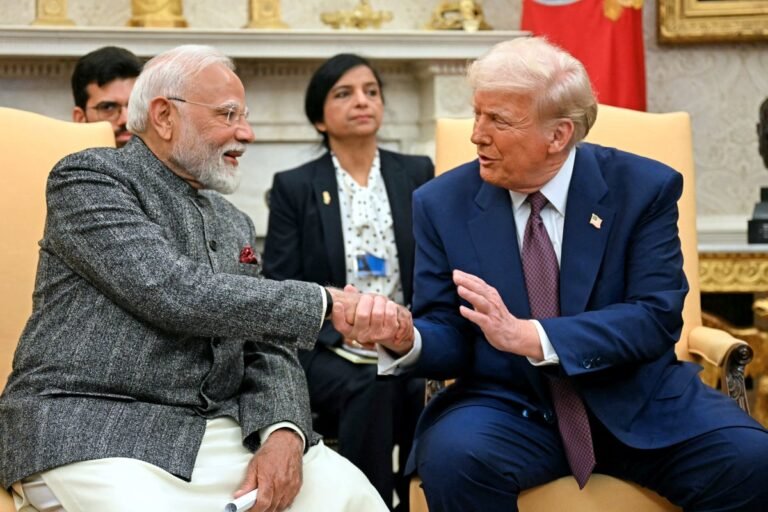
The sentiment has been enhanced by Donald Trump’s reinstatement as the U.S. president and the quick improvement in ties between Washington and Moscow, making a ceasefire in the Ukrainian conflict appear more probable. As a result, some global investors have started purchasing Russian assets through ”
friendly countries
” in anticipation of a rally in their value that has also increased demand for the Russian national currency.
On the contrary, Trump’s
Liberation Day
tariffs have unsettled investors and undermined confidence in the dollar, which has also pushed up the ruble’s value in relative terms, leading to concerns over its stability and a potential ‘confidence crisis’ that has already hit the US bond and equity markets.
Ultimately, seasonal trends have had an impact as well. The reduced import activities at the beginning of the year led to decreased demand for foreign currencies. At the same time, robust exports boosted the availability of foreign currency, which helped strengthen the value of the ruble.
From the perspective of the Kremlin, a robust ruble isn’t ideal since it diminishes the competitive edge of Russian exports and decreases the amount of rubles in the budget needed for increasing expenses. An unusual aspect of Russia’s budget is that income from oil sales is calculated in dollars, whereas expenditures are measured in rubles. Consequently, a powerful ruble lessens the quantity of rubles accessible to cover these costs. According to projections made in the 2025 budget, there would be an anticipated federal budget shortfall of about 0.5% of GDP. However, recent statements from the Ministry of Finance (MinFin) suggest they might miss hitting this mark this year.